
Step by step guide: Getting Noticed Online: A Digital Marketing Guide for UK Leisure Businesses
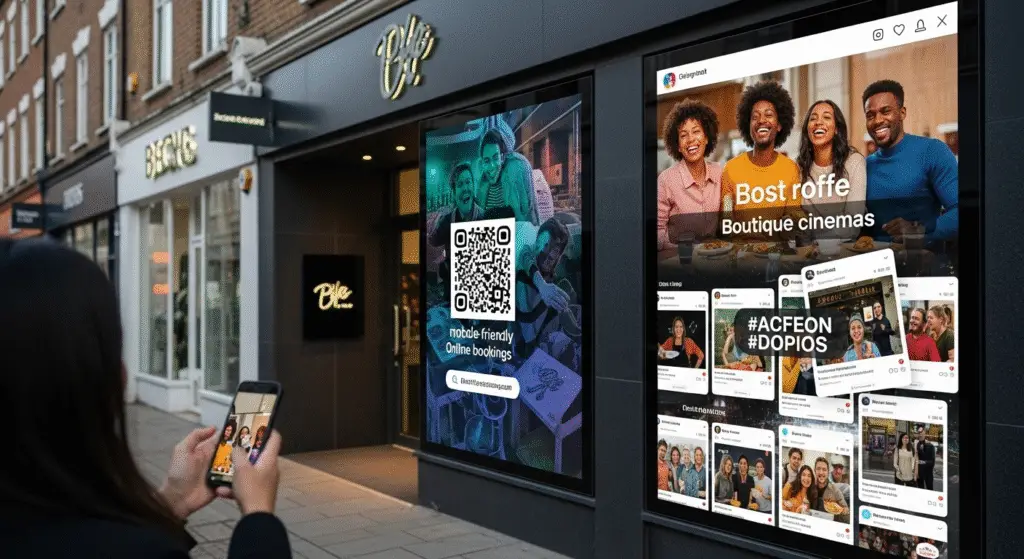
If you run a leisure business on the UK high street – whether it’s a soft play centre, a climbing wall, a local cinema, a bowling alley, or a unique activity experience – you know how much people love to have fun. But in today’s busy world, simply having a great place isn’t enough. People are constantly looking for things to do, and more often than not, their search starts online.
This is where a good digital marketing strategy comes in. Don’t worry, it doesn’t mean you need to be a tech wizard. It simply means using the internet to tell people about your fantastic venue, attract new visitors, and encourage your existing fans to keep coming back. It’s about being visible where your potential customers are spending their time – on their phones, tablets, and computers.
Why Digital Marketing is a Must for Your Leisure Business
Think about how you look for a new restaurant or a day out. Chances are, you grab your phone. Your customers do the same.
- People Search Online: When someone’s looking for “kids activities near me” or “things to do in [your town],” you want your business to show up. Digital marketing helps you do that.
- Show, Don’t Just Tell: Leisure is all about experiences. Digital platforms like social media allow you to visually show off the fun, excitement, and unique atmosphere of your venue with photos and videos, which is far more engaging than just words.
- Direct Bookings and Sales: A strong online presence means people can find you, learn about you, and crucially, book tickets or sessions directly from their device, making it super easy for them to become a customer.
- Wider Reach: While local word-of-mouth is great, digital marketing lets you reach people beyond your immediate neighbourhood – those who might be visiting your town or looking for a special day trip.
- Build a Community: You can connect with your visitors, get feedback, answer questions, and build a loyal community online who will become your best advocates.
The Building Blocks of Your Digital Marketing Plan
A solid digital marketing strategy for a leisure business usually involves a few key areas working together:
- Your Website: Your Online Home: This is the most important piece. Your website is where people go to get full information, check prices, and ultimately, book their visit. It needs to be clear, easy to use on a mobile phone, and contain all the essential details.
- Getting Found on Search Engines (Google, Bing etc.): This means two main things:
- Local SEO: Making sure your business appears when people search for things like “bowling in [your town]” or “fun activities near me.” This heavily involves your Google Business Profile (more on this below).
- General SEO: Helping your website rank higher for broader searches, like “best indoor activities UK” if you’re a larger attraction.
- Social Media: Telling Your Story Visually: Platforms like Instagram, Facebook, and TikTok are perfect for showing off the fun. You can share photos, videos, and updates that capture the energy of your venue and engage with your audience.
- Email Marketing: Direct to Your Fans: Building a list of customer email addresses (with their permission!) allows you to send direct updates about special offers, new activities, or upcoming events. It’s a very cost-effective way to encourage repeat visits.
- Online Advertising (Paid Marketing): This involves paying to show your ads to specific groups of people on Google or social media. It can be a very quick way to get your message out to a targeted audience.
- Online Reviews and Your Reputation: What people say about you online matters. Good reviews encourage new visitors, and showing you respond to feedback (even negative) builds trust.
How to Build Your Digital Marketing Strategy, Step by Step
Ready to dive in? Here’s a simple path to follow:
Step 1: Know Your Audience and Your Goals
- Who are you trying to attract? Families with young children? Teenagers? Corporate groups? Knowing this helps you decide where to focus your efforts and what kind of messages to send.
- What do you want them to do? Book tickets? Sign up for a membership? Visit your café? Be clear about your main objectives.
Step 2: Make Your Website Shine
Your website is often the first real impression people get of your venue.
- Easy to Use: Is it simple to find information, check opening times, and book tickets?
- Mobile-Friendly: Most people will look at your site on their phone. Does it look good and work well on small screens?
- Great Photos & Videos: Showcase your space! High-quality visuals are essential for a leisure business.
- Clear Call to Action: Make it obvious how people can book or buy tickets.
Step 3: Dominate Local Search (Especially Google!)
This is crucial for high street leisure businesses.
- Google Business Profile: Claim and fully fill out your free Google Business Profile. Include your exact address, phone number, opening hours, photos, and a description of what you offer. Keep it updated! Encourage customers to leave reviews here.
- Other Local Listings: Make sure your business information is consistent across other online directories like Yelp, Tripadvisor, and local leisure guides.
Step 4: Pick Your Social Media Battles
You don’t need to be on every platform. Focus on where your audience is most active.
- Instagram: Fantastic for visual businesses. Share short videos (Reels) and eye-catching photos of people having fun at your venue. Use relevant hashtags.
- Facebook: Great for building a community, sharing events, and running local ads. You can create events and invite people.
- TikTok: If your audience is younger, short, engaging video clips work wonders here.
- Content Ideas: Go behind the scenes, share customer photos (with permission!), run competitions, announce new activities, or highlight staff members.
Step 5: Start Building Your Email List
Offer a reason for people to sign up for your emails – perhaps a discount on their first visit, exclusive news, or early bird access to events.
- Sign-up Forms: Have a clear sign-up box on your website.
- In-Venue: Ask customers at the till if they’d like to sign up for your newsletter.
- What to Send: Don’t just sell. Send updates, fun facts, special offers, or reminders about upcoming holidays.
Step 6: Consider Online Ads (Start Small)
Once you’re comfortable with the basics, a small budget for ads can make a big difference.
- Google Ads: You can pay to show up at the top of Google searches for specific phrases (e.g., “children’s birthday party venue [your town]”).
- Social Media Ads (e.g., Facebook/Instagram Ads): These are powerful because you can target very specific groups of people based on their age, location, and interests. You could target parents within 10 miles of your venue, for example.
Step 7: Encourage and Manage Reviews
Positive reviews are like gold. Make it easy for people to leave them.
- Ask for Reviews: Politely ask happy customers to leave a review on Google or Tripadvisor.
- Respond to All Reviews: Thank people for positive reviews. For negative ones, respond politely and offer to solve the issue. This shows you care.
Step 8: Keep an Eye on What Works (And What Doesn’t)
You don’t need to be a data expert, but regularly check your website visits, social media engagement, and booking numbers. What posts get the most likes? Which emails get opened? Adjust your plan based on what you learn.
Useful Digital Marketing Tools (No Jargon!)
You don’t need expensive software for everything. Many excellent, easy-to-use tools are available, often with free starter options:
- For Your Website:
- Squarespace / Wix: These are “drag-and-drop” website builders that are great for small businesses. You don’t need to know any coding to create a professional-looking site.
- WordPress: A powerful choice, but often requires a bit more technical know-how or hiring someone to set it up.
- For Online Bookings:
- Many of the website builders (like Squarespace/Wix) have basic booking features.
- Dedicated Booking Systems (often integrate with your website): These are designed specifically for activities. Examples used by UK attractions include FareHarbor, Rezdy, Bookeo (more general), or VisiSoft (often for larger attractions but with adaptable modules). They handle everything from managing your calendar to taking payments.
- For Email Marketing:
- Mailchimp: Very popular, easy to use, and has a good free plan for smaller lists. You can design nice-looking emails and send them to your subscribers.
- Constant Contact: Another user-friendly option with good support.
- Brevo (formerly Sendinblue): Offers a good free tier and focuses on ease of use.
- For Social Media Scheduling (Optional):
- Buffer / Hootsuite: If you find yourself spending too much time posting on social media, these tools let you plan and schedule your posts in advance. They have free versions for small users.
- For Design (Making things look good):
- Canva: An incredibly simple tool for creating eye-catching social media graphics, posters, and flyers without needing design skills.
Developing a digital marketing strategy might seem like a lot to learn, but taking it step by step will make it manageable. By making your leisure business easy to find, visually appealing, and simple to book online, you’ll open your doors to a whole new world of visitors and keep your high street venue thriving.