
In Depth Report: The High Street Revival: Success Stories from UK Towns and Cities

The United Kingdom’s high streets, long the vibrant heart of communities, have faced unprecedented challenges, from the relentless rise of online retail to the profound disruptions of a global pandemic. In 2022, over 14% of retail units stood empty across the UK, with some towns experiencing vacancy rates exceeding 20%.1
This report, prepared from the perspective of an urban regeneration and placemaking specialist, delves into how towns and cities across England, Scotland, Wales, and Northern Ireland are not merely surviving but actively transforming their high streets into resilient, diverse, and community-centric hubs.
The analysis reveals that successful high street revival hinges on a fundamental redefinition of purpose, moving beyond a purely transactional retail model to embrace the “experience economy”.1 This involves strategic diversification into mixed-use developments, fostering authentic community engagement, enhancing public spaces, leveraging local identity and heritage, and ensuring robust connectivity.
Crucially, these transformations are often catalysed by significant policy interventions and funding streams from central and devolved governments, alongside the proactive leadership of local authorities and Business Improvement Districts.
Through ten distinct case studies, this report showcases the innovative strategies and collaborative partnerships that have driven tangible improvements in footfall, reduced vacancy rates, and fostered a renewed sense of pride and belonging.
It highlights that while challenges persist, a strategic, adaptable, and people-centred approach can indeed breathe new life into our cherished high streets, ensuring their enduring value as economic, social, and cultural anchors for generations to come.
1. Introduction: The Evolving UK High Street Landscape
The landscape of the United Kingdom’s high streets is undergoing a profound and complex transformation, presenting what has been described as a “challenging and massive topic” for urban planners and communities alike.1
For centuries, these thoroughfares served as the primary nexus of commerce and social interaction, but the advent of digital technologies and shifts in consumer behaviour have fundamentally altered their traditional role.1
The proliferation of online shopping, accelerated dramatically by the COVID-19 pandemic, has led to a significant increase in store closures and a corresponding rise in retail unit vacancies across the country.1 In 2022, the average retail unit vacancy rate in UK high streets exceeded 14%, with some towns reporting figures climbing above 20%.1 In Wales, a notable statistic indicates that one in six shops now stands empty.7
Beyond the purely commercial decline, a concerning trend has emerged regarding the types of amenities populating high streets. Research indicates a worrying decline in “health promoting” amenities, such as banks, pharmacies, and supermarkets, which are increasingly being replaced by “health reducing” alternatives like vape shops, bookmakers, and takeaway outlets.8
This shift is particularly pronounced in more deprived areas, where the number of vape shops, for instance, surged by nearly 1200% in England between 2014 and 2024, with three times more found in deprived areas compared to the least deprived.8 This observation highlights that the health of a high street is not merely an economic metric, but is deeply intertwined with the social well-being and public health of its community.
The disproportionate growth of unhealthy outlets in economically vulnerable areas suggests a dynamic where economic decline can exacerbate existing social inequalities and public health challenges. Consequently, a truly successful high street revival must consider its role as a fundamental determinant of community health, necessitating interventions that extend beyond commercial viability to actively foster well-being and access to essential services.
Redefining the High Street’s Purpose
The future viability of high streets is no longer solely dependent on their retail offerings. There is a growing consensus that these spaces must evolve into vibrant, multifunctional places where people can “live, work and visit”.9
The public’s priorities have shifted, with surveys indicating a strong desire for green areas, cafes, clinics, and cultural centres, signalling a broader move towards the “experience economy”.1 This means transforming high streets from purely transactional spaces into destinations that offer “connection, well-being, and variety”.1
The crisis faced by traditional retail is not simply a problem to be solved, but a powerful impetus for fundamental redefinition. The notion of merely “patching up” high streets through piecemeal regeneration 3 is being replaced by a recognition that a comprehensive approach is required, one that embraces a strategic pivot towards experiential and community-focused models.
This transformative period is compelling towns and cities to innovate and adapt, fostering a more resilient and diversified high street that transcends its historical retail-centric identity.
Understanding Placemaking
Central to this redefinition is the concept of placemaking. Placemaking is understood as a “holistic approach that foments the collaborative transformation of public spaces into vibrant, inclusive and engaging places”.12
It moves beyond mere urban planning and design, aiming to turn a physical location into an “emotionally resonant and socially connected place”.13 This approach, rooted in the pioneering work of intellectuals like Jane Jacobs and William H. Whyte from the 1960s, prioritises people and their experiences over considerations like car accessibility or shopping centre development.13
It encompasses not only the planning and design of spaces but also their sustainable management, fostering a sense of ownership and belonging within communities.13
The Critical Role of High Streets
Despite the challenges, high streets remain indispensable. They serve as vital economic infrastructure and essential social spaces where communities “come together to shop, to socialise and to work”.10 They are, in essence, “the centres of their community,” embodying a collective sense of pride, heritage, and belonging.14 The ongoing efforts to revitalise these spaces are a testament to their enduring importance in the fabric of British towns and cities.
Table 1: UK High Street Vacancy Rates and Key Trends
| Metric | Data Point | Source |
| UK Average Retail Unit Vacancy Rate (2022) | Over 14% | 1 |
| Highest Reported Town Vacancy Rate (2022) | Over 20% | 1 |
| Wales Retail Unit Vacancy Rate | 1 in 6 shops empty | 7 |
| Altrincham Vacancy Rate (Pre-Regeneration, 2010) | Over 30% (highest in UK) | 16 |
| Altrincham Vacancy Rate (Post-Regeneration, March 2017) | 9.5% | 17 |
| Altrincham Vacancy Rate (Post-Regeneration, 2019) | 7.3% | 16 |
| Stockton-on-Tees Vacancy Rate (Pre-Regeneration, 2016) | Over 20% (almost 3x national average) | 5 |
| Stockton-on-Tees Vacancy Rate (Projected, End of 2022) | 10.2% | 5 |
This table clearly illustrates the scale of the challenge facing UK high streets, providing a quantitative baseline that underscores the urgency for regeneration efforts. More importantly, it highlights the tangible positive impact achievable through strategic interventions, as evidenced by the dramatic reduction in vacancy rates in towns like Altrincham and the projected improvements in Stockton-on-Tees. These figures provide a compelling, evidence-based argument for the efficacy of targeted regeneration and placemaking initiatives.
2. Policy and Funding: Catalysts for Change
The revival of UK high streets is not occurring in a vacuum; it is significantly supported and shaped by strategic policy interventions and substantial funding commitments from central and devolved governments. Recognising the inherent power and local knowledge of communities, the government has launched a series of programmes designed to stimulate high street resurgence.1
UK Government Initiatives
At a national level, significant financial commitments have been made to drive regeneration. These include the substantial £4.8 billion Levelling Up Fund, the £220 million UK-wide Community Renewal Fund, and the £830 million Future High Streets Fund.9 These funds are designed to “level up opportunity and prosperity across all areas of the country,” fostering visible changes in local areas and communities.9
A key component of this strategy is the Town Deals initiative, which has confirmed £335 million for 15 towns, specifically earmarked for community regeneration projects such as repurposing empty shops, creating new public spaces, and establishing digital enterprise and learning centres.9
Legislative changes are also playing a role. The Levelling Up and Regeneration Act, for instance, grants councillors the power to auction long-empty retail units – those vacant for over a year – for community or business use.
This measure aims to breathe new life back into high streets and prevent decay.1 Furthermore, the Crime and Policing Bill has introduced measures to address shoplifting, removing the previous distinction that treated incidents under £200 as minor offenses and mandating that all incidents are now taken seriously, a move intended to support high street businesses.1
Planning Flexibilities
To facilitate adaptive reuse and diversification, significant flexibilities have been introduced into the planning system. Councils in England now have powers to transform towns by taking over derelict buildings through compulsory purchase orders, allowing them to be converted into new homes if property owners delay regeneration plans.9
Similarly, empty offices can be converted into housing, and empty shops can be transformed into entertainment venues or thriving new businesses without requiring traditional planning permission.2 The creation of a single, merged commercial ‘E-class’ use further streamlines this process, making it easier to convert retail spaces into offices, particularly beneficial in areas where office space is in short supply.2
Additionally, the streamlined pavement licensing system, which allows for alfresco dining, has been extended for 12 months across England with the intention of making it permanent, providing a boost to the hospitality sector and encouraging footfall.9
Devolved Administrations’ Approaches
Beyond the national framework, devolved administrations have implemented their own tailored strategies. In Scotland, the government’s Town Centre Action Plan, initially published in 2013 and reviewed in 2020, along with the Town Centre First Principle (agreed in 2014), aims to support and invest in town and neighbourhood centres to make them “more diverse, sustainable and thriving places for communities to live, work and enjoy”.18
This approach strongly advocates for collaboration and community-led investment, with organisations like Scotland’s Towns Partnership (STP) providing crucial information, support, and services to achieve these goals.18
In Wales, the Welsh Government’s Transforming Towns programme represents a significant commitment to high street regeneration. It has allocated substantial funding, including £40 million specifically for high street regeneration.7
An additional £31.5 million was provided to local authorities for the 2024/25 financial year, bringing the total investment for that year to an impressive £70 million. Since its launch in 2020, the programme has awarded over £314 million in grant and loan funding to support regeneration efforts across Wales.15
A component of this, the Transforming Towns Placemaking Grant, offers capital funding of up to £300,000 per project for a wide range of physical improvements in urban centres.20
Local Authority and Business Improvement District (BID) Role
Local authorities are recognised as pivotal “catalysts” and “custodians and curators” of towns and cities, playing a central role in driving regeneration.3 Their ability to leverage planning powers, secure funding, and coordinate diverse stakeholders is critical.
Business Improvement Districts (BIDs) serve as a key mechanism for local businesses and authorities to collaborate effectively, pooling resources and developing joint plans to enhance the local trading environment and overall vibrancy of high streets.14
While significant central government funds are available, a critical observation is that the process of local authorities bidding for these funds can be “expensive and wasteful”.10 This suggests that despite the substantial financial commitment, the administrative mechanism of fund distribution may inadvertently create significant barriers, particularly for smaller or less resourced local authorities.
The implication is that this could lead to an uneven distribution of successful regeneration projects, where outcomes are influenced more by an authority’s capacity for complex bid writing rather than solely by the inherent merit of their local plans or the severity of their needs. This highlights a need for a more transparent and accessible funding system that commands greater confidence and reduces administrative burden.
Furthermore, a significant policy challenge emerges from the UK Government’s VAT policy, which zero-rates new residential builds but applies a 20% standard rate to existing buildings.21 This creates a financial incentive to construct new properties rather than restore existing ones, thereby discouraging investment in heritage regeneration.21
This systemic disincentive directly contradicts the stated aim of leveraging heritage and repurposing existing buildings as key pillars of high street revival.11 The broader consequence is that despite planning flexibilities designed to encourage adaptive reuse and substantial funds allocated for regeneration, an overarching tax policy can create a powerful, unintended negative ripple effect, potentially leading to continued dereliction or even demolition of valuable heritage assets. This underscores the critical need for cross-departmental policy coherence to truly incentivise sustainable, heritage-led urban renewal.
Table 2: Key Government Funding Programmes for High Street Regeneration
| Programme Name | Administering Body | Total Investment (where available) | Key Purpose/Focus | Regions Covered |
| Levelling Up Fund | Department for Levelling Up, Housing and Communities (DLUHC) | £4.8 billion | Infrastructure, town centre regeneration, cultural investment | UK-wide |
| Town Deals | DLUHC | £335 million (for 15 towns) | Repurposing empty shops, public spaces, digital learning centres | England |
| Future High Streets Fund | DLUHC | £830 million | Transform high streets, improve infrastructure, support business | England |
| Community Renewal Fund | DLUHC | £220 million | Local growth, community-led projects | UK-wide |
| Transforming Towns Programme | Welsh Government | £314 million (since 2020); £70 million (2024/25) | Regenerate properties, green infrastructure, public spaces, housing | Wales |
| Transforming Towns Placemaking Grant | Welsh Government (via local authorities) | Up to £300,000 per project | Physical improvements, commercial property refurbishment, active travel | Wales |
| Urban Development Grant (UDG) Scheme | Department for Communities (NI) | £1.4 million (Portrush UDG); unlocked >£16 million private investment | Bring vacant/derelict properties back into use, job creation | Northern Ireland |
This table provides a comprehensive overview of the financial and strategic commitment to high street revival across the UK. It highlights the diverse funding streams available, their administering bodies, and their primary focus areas, enabling stakeholders to understand the landscape of support and identify opportunities for their specific regeneration projects.
3. Pillars of Success: Common Strategies in High Street Regeneration
An examination of successful high street regeneration initiatives across the UK reveals several recurring strategies that consistently contribute to their revitalisation. These pillars represent a shift in thinking, moving beyond traditional retail models to embrace a more holistic and community-centred approach to urban development.
Diversification and Mixed-Use Development
The most fundamental shift observed is the move away from a purely retail-centric high street. Public surveys clearly indicate that people desire “more from their local high streets than just shops”.1 Top priorities now include green areas, cafes, clinics, and cultural centres, reflecting a broader societal pivot towards the “experience economy”.1
Successful towns are proactively transforming vacant high street properties into multifunctional spaces that integrate residential units, co-working facilities, leisure amenities, and essential public services.1
Stockton-on-Tees, for example, has embarked on a radical programme of replacing former department stores and retail sites with new developments that incorporate homes, coworking spaces, leisure amenities, and public services, thereby creating vibrant mixed-use town centres.1
Similarly, planning flexibilities now actively encourage the conversion of empty offices into housing, and empty shops into entertainment venues or new businesses, often without the need for extensive planning permission.2 The recent introduction of a single, merged commercial ‘E-class’ use further streamlines this process, facilitating easier conversion from retail to other commercial uses like offices, addressing specific needs within urban areas.2
Community-Led Engagement and Empowerment
At the heart of sustainable high street revival is the principle of “Empowering Local Voices in Regeneration Initiatives”.1 Community involvement is not merely a desirable add-on but a “sustainable strategy that aligns business success with local well-being”.1
This involves actively supporting community groups to lead projects and, in some instances, to take direct ownership and management of heritage assets.22 Scotland’s Town Centre First Principle, for instance, explicitly commits government, local authorities, and communities to prioritise the health of town centres in decision-making, fostering a collaborative and community-led approach.18
The remarkable turnaround of Altrincham is widely attributed to the “focused effort and hard work by numerous stakeholders,” including landlords, retailers, and the council, demonstrating the immense power of collective action and local buy-in.14
The regeneration of Hastings’ Observer Building provides a compelling example of a community-led organisation, Hastings Commons, spearheading the transformation of a derelict heritage asset into a vibrant community hub.23
Public Realm Enhancements
Creating welcoming, safe, and attractive public spaces is consistently identified as a critical factor for increasing footfall and dwell time. This involves strategic investments in broader sidewalks, enhanced lighting, comfortable seating, and green spaces.1
Efforts to tackle visible signs of neglect, such as graffiti and litter, are also part of this strategy, contributing to a greater sense of pride and safety.9 Many successful projects focus on creating spaces suitable for community and cultural events, transforming high streets into vibrant platforms for social interaction.22
Examples include public realm improvements in Cullompton, which created attractive spaces for cultural activities and markets 22, and the transformation of an overgrown, neglected site into a pocket park in Lowestoft by a community group.22
This emphasis on physical improvements fostering social interaction and belonging suggests that investments in public realm are not merely aesthetic upgrades, but profound investments in a community’s social fabric and resilience.
Leveraging Heritage and Local Identity
Successful high street regeneration often involves “revisiting the identity of our towns and cities and embracing their heritage and differentiators”.3 This means restoring the historic character of high streets through initiatives like shopfront improvements and, crucially, repurposing historic buildings wherever possible.11
Celebrating the local history of an area is seen as a powerful way to encourage “pride in place,” which in turn can draw more people in and potentially increase footfall.10 The regeneration of Hastings’ Observer Building 22 and the restoration of the Coach and Horses pub in Hexham 22 are prime examples of how heritage assets can be revitalised to serve new community and commercial purposes while preserving their unique character.
Improved Connectivity and Accessibility
For high streets to thrive, people must be able to access them “easily and safely”.10 This necessitates a multi-faceted approach to transport. Better public transport connectivity, particularly through improved bus networks, is deemed crucial for supporting local high streets.10
Pedestrianising high streets can bring a wide range of benefits, including improved air quality, enhanced safety, better public health outcomes, and a boost for local businesses. Coventry, for instance, saw a 25% jump in footfall on Saturdays following the introduction of new pedestrianised areas.2
However, a critical understanding that emerges is the need for a nuanced approach to accessibility. While pedestrianisation offers numerous advantages, car access and sufficient parking remain necessary for the commercial sustainability and accessibility of many high streets, especially in areas with poor public transport links where pedestrianisation could inadvertently harm the high street by limiting access.10
This highlights a potential trade-off, underscoring the need for context-specific strategies that balance the ideals of pedestrian-friendly environments with the practical needs of diverse populations and businesses, ensuring that improved connectivity does not inadvertently create new barriers for those reliant on car access. Initiatives like “mini-Holland” schemes, which promote cycling and walking by installing segregated cycle lanes and expanding pedestrian space, represent an effort to balance these needs.9
Strategic Partnerships and Investment
The revival of high streets cannot be achieved by any single entity. It “won’t come from retail alone: it will come from partnerships, creativity, and authentic engagement”.1 Successful regeneration consistently involves robust collaboration between local authorities, Business Improvement Districts (BIDs), the private sector, universities, and community groups.3
BIDs, in particular, serve as a vital mechanism for the business community and local authorities to work together, delivering joint plans funded by an increase in business rates.14 This multi-stakeholder approach ensures a shared vision and pooled resources, essential for complex, long-term regeneration projects.
4. UK Case Studies: A National Showcase of Transformation
This section presents ten distinct case studies from across the United Kingdom, illustrating the diverse approaches and measurable impacts of high street regeneration and placemaking initiatives.
Table 3: Comparative Overview of UK High Street Revival Case Studies
| Town/City | Region | Primary Regeneration Focus | Key Initiatives (1-2 examples) | Footfall Change (if available) | Vacancy Rate Change (if available) | Key Investment Figure (if available) | Notable Outcome/Lesson |
| England | |||||||
| Stockton-on-Tees | North East | Mixed-Use, Public Realm, Retail Core Consolidation | Castlegate demolition for urban park; Public services relocation | Aims to increase | From >20% (2016) to projected 10.2% (2022) | Not specified for park, but significant | Bold deconstruction for reconstruction, reconnecting to river. |
| Altrincham | North West | Market Revival, Mixed-Use, Public Realm, Business Support | Market House revitalisation; £6m regeneration project; Lowered parking charges | Up 28.1% (Xmas), 8.2% (Q1 2017), 7.6% (2019) | From >30% (2010) to 7.3% (2019) | c.£60 million | Collaborative stakeholder effort, leveraging existing assets. |
| Birmingham | West Midlands | Economic Diversification, Transport, Mixed-Use | Big City Plan; HS2 Curzon Street; Paradise Project | Not specified | Not specified | >£1 billion (public); £1.5 billion (Smithfield) | Large-scale masterplans with anchor investments drive transformation. |
| Manchester | North West | Green Spaces, Mixed-Use, Talent Retention | Mayfield Park; NOMA (£800m); MediaCityUK (£1bn); Northern Gateway (£9bn) | Not specified | Not specified | £80m (Castlefield) | Education and talent retention are foundational for urban vibrancy. |
| Hastings | South East | Heritage, Community Hubs, Affordable Housing | Observer Building community-led regeneration; Mixed-use repurposing | Aims to increase | Not specified | £850k AHF loan (repaid); part of multi-funder package | Heritage as a driver for social and environmental sustainability. |
| Scotland | |||||||
| Glasgow | Central Belt | Diversification, Public Realm, Repurposing Upper Levels | Golden Z Vision; “Sticky Streets” (Avenues Project); Buchanan Galleries transformation | Up 3.7% (Q1 2024), 7.3% (March 2024), 10% (Buchanan St) | Empty units filled | £115m (City Deal), £20m (Sustrans) | Clear vision for diversification, strategic public realm investment. |
| Wales | |||||||
| Carmarthen | South West | Recovery, Market Vitality, Targeted Funding | Transforming Towns Programme; Recovery Masterplan; Market revitalisation | Recovered at higher rate vs. other Primary Towns | Market vacancy from 8 to 3 units | >£35 million (2023/24) | Local stakeholder collaboration and targeted funding are crucial for recovery. |
| Northern Ireland | |||||||
| Portrush | North Coast | Tourism, Mixed-Use, Infrastructure | Urban Development Grant Scheme; £6m Public Realm; New Train Station | Not specified | Not specified | £1.4m (UDG) unlocked >£16m private; £17m total programme | Major events as catalysts for accelerated regeneration. |
| Belfast | Greater Belfast | Connectivity, Mixed-Use, Retail Revival, Public Realm | Donegall Place retail revival; “Under the Bridges” project; “A Bolder Vision” | Overall up 6.5% YTD; Donegall Place up 7%; Royal Avenue up 22% YOY | Donegall Place full occupancy (aim 2025) | £1.1m (DfI active travel); £1.3m (public realm developer contributions) | Holistic, integrated strategy addressing all urban sectors simultaneously. |
| Derry~Londonderry | North West | Heritage, Social Cohesion, Cultural Hubs | Community/voluntary sector involvement; Peace Bridge; Public realm improvements | Not specified | Not specified | Not specified | Regeneration as a tool for social cohesion and healing after conflict. |
This table provides a high-level, at-a-glance comparison of the ten case studies, allowing for quick pattern recognition of successful approaches and the scale of their impact across different UK regions.
England
Stockton-on-Tees
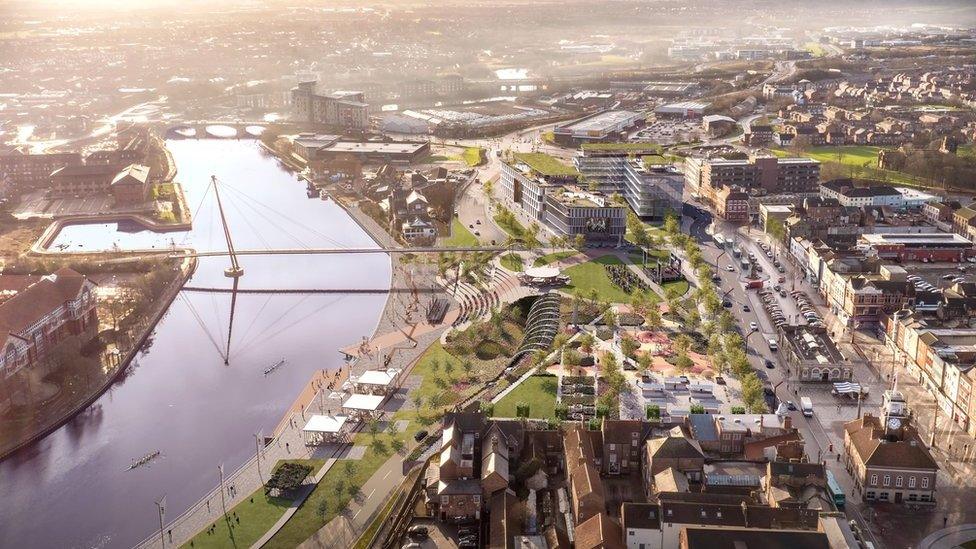
Stockton-on-Tees, a significant market town in County Durham, exemplifies a bold and radical approach to high street regeneration. Historically, the town centre faced severe challenges, with vacancy rates soaring to almost three times the national average, exceeding 20% in 2016.5 This decline was attributed to changing consumer habits and the presence of old, poorly laid out retail units that were often too large for modern retail needs.5 The town also grappled with a negative public perception.36
In response, Stockton Council initiated a transformative programme. A pivotal decision was the demolition of the Castlegate Shopping Centre and the adjacent Swallow Hotel, completed by the end of 2023.5 This significant act of deconstruction was not an end in itself, but a precursor to a visionary reconstruction.
The cleared site is being replaced by Stockton Waterfront, an ambitious urban park three times the size of Trafalgar Square.5 This urban park is designed to physically and visually reconnect the high street to the River Tees, featuring a 55-metre land bridge, an oval lawn for large-scale events, an amphitheatre, and various play areas, all incorporating references to Stockton’s rich industrial heritage.38 The construction is progressing rapidly, with an expected opening in Spring 2026.39
Alongside this major physical transformation, Stockton has consolidated its main retail offering into a more compact and sustainable core within Wellington Square and the northern section of the High Street.5 Many businesses from the former Castlegate Centre have been successfully relocated to Wellington Square.5
Key public services, including a new leisure centre, library, customer service, and register building, are being relocated to the southern end of the High Street, with discussions also underway for a new NHS facility on the same site, all anticipated for completion in 2025.5
The impact of these initiatives is already becoming evident. The vacancy rate, which was over 20% in 2016, was projected to decrease to 10.2% by the end of 2022, demonstrating a substantial improvement.5 The overall aim is to increase footfall and support businesses in the evolving post-retail era, shifting the high street from a purely transactional space to an experiential destination.1
This approach highlights a crucial principle: for some severely impacted high streets, true revival may necessitate a “deconstruction for reconstruction” paradigm. The severity of retail decline and the unsuitability of existing infrastructure can compel a complete overhaul rather than incremental improvements.
This challenges the conventional wisdom of preserving all existing built forms and underscores the importance of adaptability, where strategic demolition frees up land for entirely new, diverse uses that better meet contemporary needs, even if initially disruptive.
Altrincham
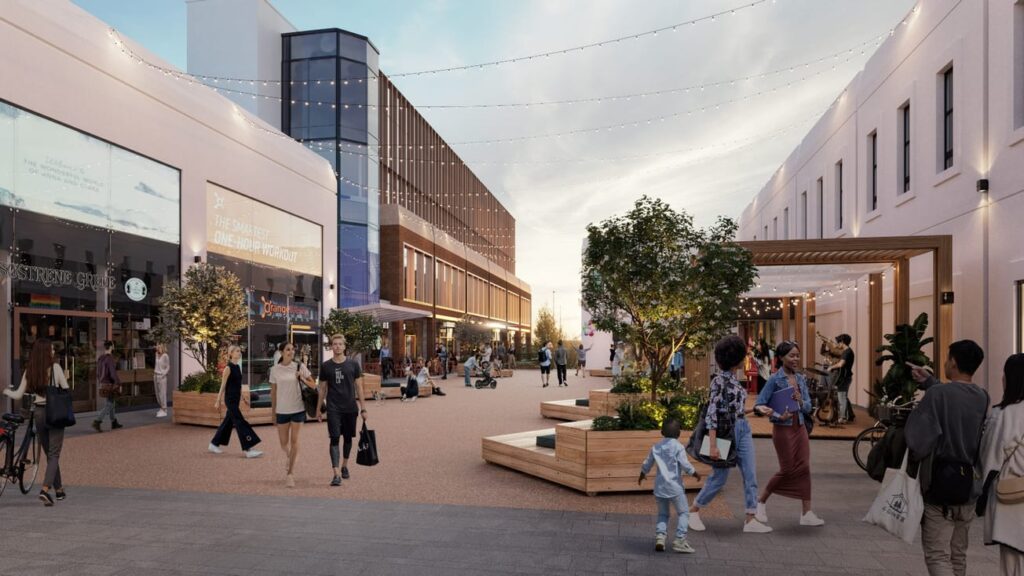
Altrincham, once notoriously labelled a “ghost town” in 2010 with the highest vacancy rate in Britain at over 30% 16, stands as a powerful testament to the transformative potential of strategic regeneration. The town’s revival began in earnest with a £6 million regeneration project launched by Trafford Council in 2015.25
A cornerstone of Altrincham’s success has been the revitalisation of its historic Market House, dating back to 1290. This market has been reimagined, seamlessly blending its traditional charm with the vibrancy of modern independent vendors, now attracting approximately 10,000 visitors per week.16
Other key initiatives included the significant transformation of the Stamford Quarter shopping area and continuous enhancements to the town’s public spaces.25 The council actively supported these efforts by lowering parking charges to encourage more visitors 14, and focused on stimulating a night-time and leisure economy.16
The impact of these concerted efforts has been remarkable. Altrincham’s vacancy rate plummeted from over 30% to 9.5% by March 2017 17, further dropping to an impressive 7.3% by 2019.16 Footfall figures consistently outperformed national trends, with a 28.1% year-on-year increase over Christmas, an 8.2% rise in the first three months of 2017, and an overall 11.4% increase since 2015.16
By 2019, Altrincham’s footfall was up 7.6% compared to a -3.0% average for UK market towns.16 This transformation earned Altrincham the title of “Best High Street” in England in 2018 9 and the “second best place to live in NW” in 2019.16 The total investment in the town to date stands at approximately £60 million.16
The success of Altrincham demonstrates a crucial principle: successful regeneration is not just about physical changes or statistics, but also about a profound shift in public perception and narrative. The journey from a “ghost town” to a celebrated “Best High Street” illustrates how tangible improvements create positive media attention and word-of-mouth, which in turn reinforce confidence, attract further investment, and foster a deep sense of local pride.
This creates a virtuous cycle of revival, where the perceived health of the high street becomes a self-fulfilling prophecy, attracting more visitors and businesses.
Birmingham
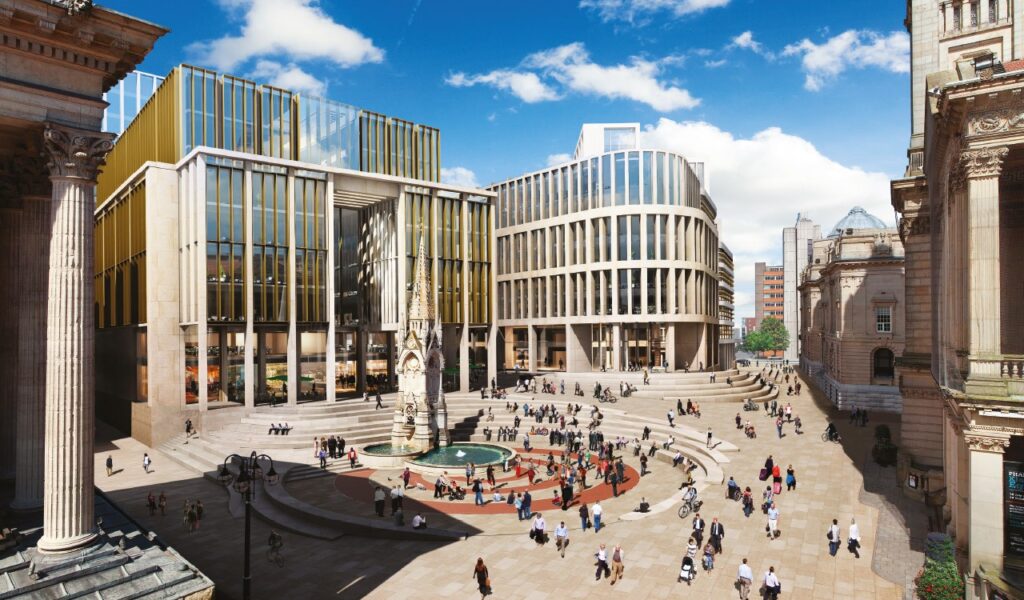
Birmingham, a major UK city, has undergone extensive urban regeneration, transforming its landscape from a history marked by de-industrialisation, slum clearance, and significant job losses.40 In 2015, the city was ranked as the third most deprived in the UK 41, highlighting the scale of the challenge.
The city’s ambitious transformation is largely driven by the “Big City Plan,” launched in 2010. This 20-year masterplan aims to expand the city core to 800 hectares and significantly improve transport links, with the overarching goal of creating a “world-class city centre”.27
Key projects within this plan include the Paradise Project, a premium office development that has successfully attracted global businesses such as PwC and Mazars, leading to an increase in employment opportunities.42 Birmingham Smithfield, an ongoing £1.5 billion mixed-use regeneration scheme in Digbeth, is designed to cater to the expanding rental market.42
Perhaps the most impactful project is the HS2 Curzon Street Station, which is set to dramatically reduce travel time between London and Birmingham to just 38 minutes.42 This infrastructure investment is expected to bring thousands of new jobs and young professionals to the city, further stimulating the property market.42
The £600 million Gateway scheme, which redeveloped New Street Station into a major transport hub linked to a large shopping mall anchored by John Lewis, has also played a crucial role.40 Efforts are also focused on heritage-led regeneration in areas like the Jewellery Quarter 43 and a “Green Vision” to enhance the city’s attractiveness through open spaces for health and well-being.41
These continuous redevelopment projects have demonstrably fuelled a remarkable increase in property prices over the past two decades.42 For instance, Savills forecasts a 17.6% increase in rental values and a 26.4% increase in property values over the next four years for developments like No. 30 St Pauls.42 Birmingham is now widely recognised as the UK’s “second city,” a thriving hub of employment opportunities, modern living, and diverse amenities.42
The success of projects like Paradise and HS2 illustrates a critical principle: significant, high-profile investments act as powerful anchor projects that create a multiplier effect. These large-scale public and private sector commitments generate confidence, attract further private investment, and stimulate demand for housing, retail, and leisure, thereby driving broader regeneration across the city centre, far beyond their immediate footprint.
Manchester
Manchester has undergone a remarkable urban regeneration since hosting the 2002 Commonwealth Games, transforming into a significant economic force.43 The city has strategically addressed challenges stemming from its post-industrial shift, including inner-city decline, brownfield sites, and social polarisation.28
Key initiatives driving Manchester’s revival include the Mayfield Regeneration Project, which delivered the city’s first new public park in 100 years, alongside new residential areas and amenities.42 NOMA stands as one of Manchester’s largest urban regeneration projects, set to deliver 4 million square feet of new office, retail, and leisure spaces with an £800 million investment, projected to create thousands of new jobs and attract young professionals.42
The MediaCityUK Redevelopment Project represents another ambitious undertaking, with a £1 billion investment creating thousands of apartments and significant office space, further bolstered by the relocation of the BBC.42
The Northern Gateway project is a massive £9 billion investment aimed at transforming a 155-hectare site in central Manchester, introducing new homes, schools, and public spaces, and offering a greener environment close to the city centre.42 Earlier efforts, such as the Castlefield Urban Heritage Park, a £80 million regeneration programme from 1988-1996, reclaimed derelict brownfield sites and became Britain’s first Urban Heritage Park.28
Community-led initiatives, like the Withington Village High Street Regeneration Plan, which transformed shut shop shutters into art and hosted successful Friday-night markets, complement these large-scale projects.45
Manchester’s regeneration has attracted significant inward investment, making it a prime location for buy-to-let investors.42 The city benefits from fine universities, with the University of Manchester boasting a high graduate retention rate of 51%.43
This connection between a strong educational ecosystem, the retention of skilled young professionals, and the subsequent demand for high-quality housing, leisure, and cultural amenities reveals a crucial principle: urban regeneration is not just about physical infrastructure but also about cultivating a vibrant talent ecosystem.
Cities that successfully attract and retain a skilled workforce create a self-sustaining demand for the very services and experiences that define a thriving high street, making education a foundational pillar of long-term placemaking success.
Hastings
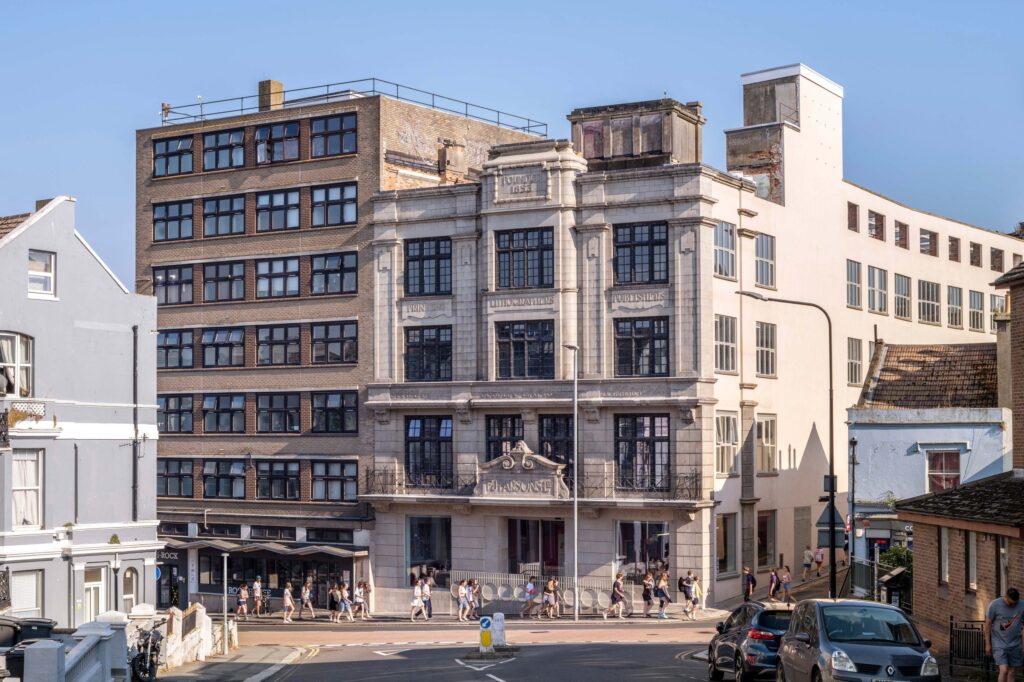
Hastings, a historic coastal town, provides a compelling example of heritage-led regeneration driven by community action. The town’s iconic Observer Building, constructed in 1924, had become “increasingly derelict” since its abandonment in 1984, passing through 13 owners without significant repair and designated a “building at risk” within the Hastings Central Conservation Area.23
In 2019, Hastings Commons, a community-led regeneration organisation, purchased the Observer Building, embarking on a multi-phase renovation and repurposing project.23 This ambitious undertaking was supported by a diverse funding package, including an £850,000 loan from the Architectural Heritage Fund (which was repaid in full), contributions from Hastings Borough Council, South East LEP, Town Deal, Historic England, and private investment.24
The renovation has transformed the building into affordable workspace, a 250-capacity events venue, a gym, and OBX, a creative technology hub.23 Future phases are planned to include 12 energy-efficient affordable homes, a roof terrace with youth space and a cafe/bar, and the redevelopment of the vaults.23
A key aspect of the project has been its heritage-conscious approach, preserving the original aesthetics and interior fixtures 23, and a strong emphasis on community engagement, involving young people in co-design processes.23
The project aims to create up to 300 local jobs and new affordable homes.24 It has already achieved an annual carbon emissions saving of 81 tonnes due to the creation of sustainable spaces.23 Most significantly, it has revived a historic landmark that had been abandoned for 35 years 23 and has been featured as a case study for the impact of historic building reuse on the local creative economy.24
This demonstrates a crucial principle: heritage-led regeneration is not just about preserving old buildings; it is a powerful tool for achieving broader social and environmental goals. The creation of affordable homes, workspaces, and community hubs alongside significant carbon emission savings illustrates a powerful synergy, where investing in the sensitive restoration and adaptive reuse of historic buildings can simultaneously address housing needs, foster local economies, and contribute to climate change targets, making heritage a multi-faceted asset for sustainable urban development.
Scotland
Glasgow
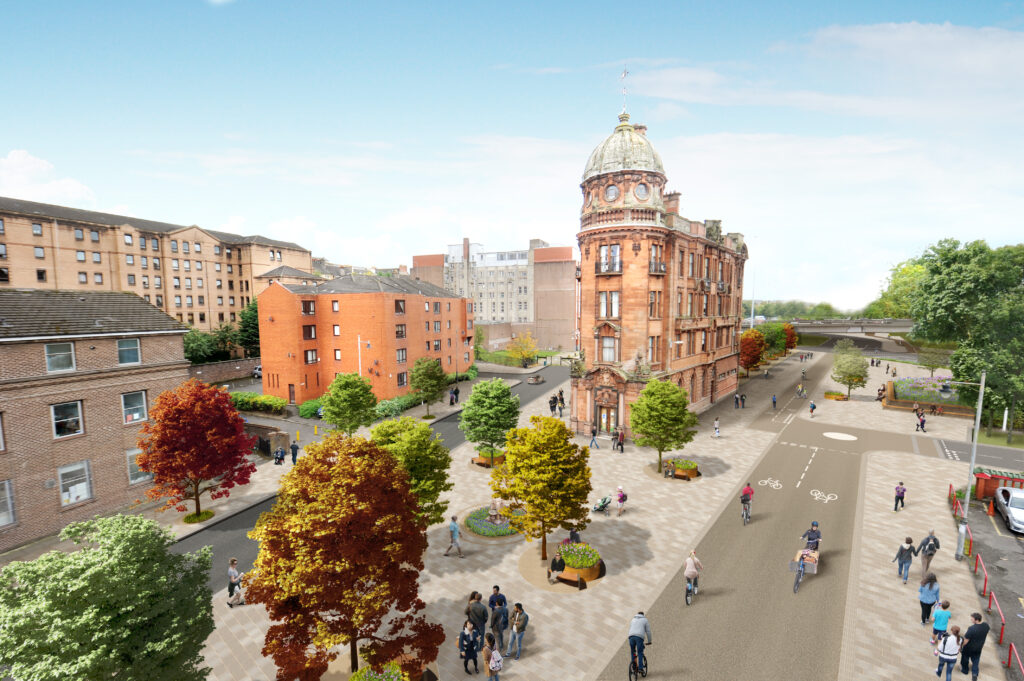
Glasgow’s “Golden Z” – comprising Buchanan Street, Argyle Street, and Sauchiehall Street – represents a major retail precinct that has faced significant challenges, including pre-pandemic decline, damage from fires, and the closure of major department stores.21 In May 2024, city centre visitors had dropped by over 400,000 compared to the previous year, and sales had plummeted by approximately £60 million.21 Businesses also voiced criticisms regarding “cleansing, maintenance and hygiene” within the city centre.21
In response, Glasgow City Council approved the “Golden Z Vision and Plan” in 2023. This comprehensive document aims to shift the focus from retail dominance, double the city centre population, and remake Glasgow as a destination for health, leisure, and entertainment.21
A key part of this vision involves repurposing the vacant upper levels of buildings in the “Style Mile” into essential services such as health centres and schools, catering to a growing city centre population.21 The “Sticky Streets” initiative, part of The Avenues Project, involves a substantial public realm overhaul backed by £115 million from the Glasgow City Region City Deal and an additional £20 million from Sustrans, aimed at improving public spaces.21
Plans for Buchanan Galleries also involve a transformation to increase high street retail frontage and create new leisure and dining concepts.21 The arrival of new anchor stores, such as UNIQLO on Argyle Street, is also contributing to the revitalisation.21 The council has also actively advocated for a change in the UK Government’s VAT policy to favour the restoration of existing buildings over new builds.21
These efforts are yielding positive results. Footfall in the Golden Z is now “up,” with the area feeling “alive”.21 Shoppers have noted that the city is “really, really busy now”.21 In the first quarter of 2024, city centre footfall rose by 3.7%, surpassing Scottish and UK averages, with March seeing a 7.3% increase compared to March 2024, and Buchanan Street alone experiencing a 10% rise.21
Glasgow’s city centre retail sales performance has also outpaced Edinburgh, Leeds, Manchester, and the UK average for four consecutive months.21 Empty units are being filled by new brands like Nars, Mac, Charlotte Tilbury, and Mango.21
The success of Glasgow’s Golden Z highlights a crucial principle: effective urban design, specifically clarity of layout and ease of movement, has a direct impact on footfall and commercial viability. The “legibility” of Glasgow’s Golden Z, particularly Buchanan Street’s alignment with major train stations, makes it easy for people to navigate the city centre as a shopping circuit.21
This demonstrates that beyond aesthetic improvements, a high street’s success is deeply tied to its intuitive navigability and seamless integration with transport hubs, allowing visitors to effortlessly engage with its offerings.
Wales
Carmarthen
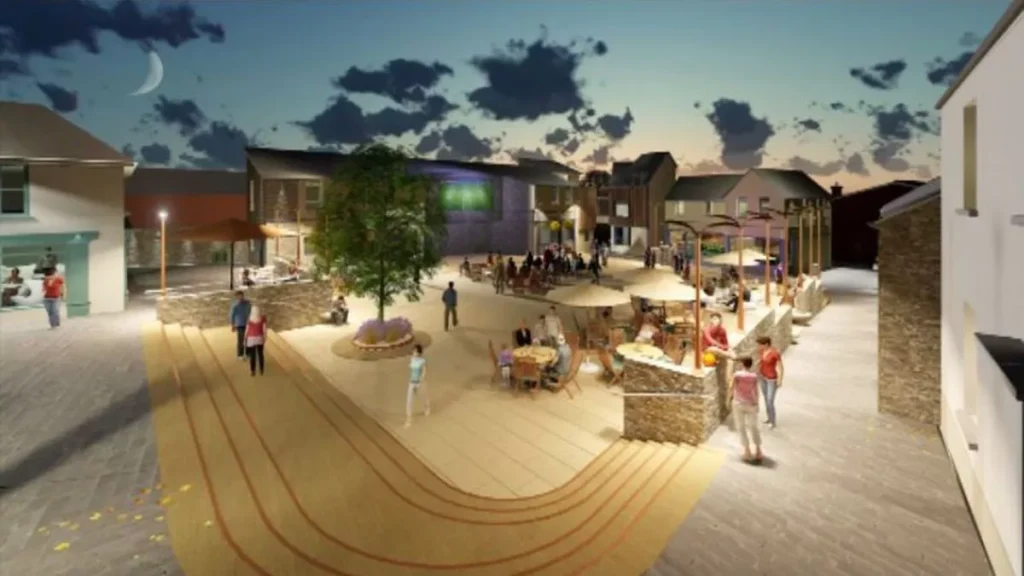
Carmarthen, a historic town in West Wales, faced significant challenges as a primarily comparison (non-food) led centre, with key retail anchors like Debenhams closing.46 The town centre was also heavily impacted by the COVID-19 pandemic, experiencing forced closures and an acceleration of online shopping trends.46
Carmarthenshire County Council has responded with a comprehensive approach, leveraging funding from the Welsh Government’s Transforming Towns Programme. The county council received substantial funding, part of the £70 million allocated for Wales in 2024/25, and a total of £314 million since the programme’s launch in 2020.15 This funding has enabled the redevelopment of retail sites, housing for local residents, and improved facilities across Carmarthenshire.15
A key initiative was the commissioning of the Carmarthen Recovery Masterplan, developed in direct response to the pandemic’s effects, with a focus on both immediate recovery and longer-term growth.46 This masterplan was collaboratively prepared with local businesses and stakeholders, fostering strengthened community networks and support for local businesses and the “shop local” movement.46
The town’s bustling market, which has operated for centuries, has seen revitalisation efforts, including “considerable advertising and accommodation of changes requested by traders,” leading to the introduction of new businesses that are attracting new footfall.47
To incentivise private investment and business growth, Carmarthenshire offers various targeted funding schemes, including the Refreshing Town Centre Fund (£2,000 per property for shop front vibrancy), Business Growth grants (£1,000-£10,000), a Business Renewable Energy Fund (£1,000-£25,000), and interest-free Town Centre Loans (£25,000-£1,000,000) for property refurbishment and new builds.48
The impact of these efforts is measurable. Carmarthen’s market vacancy rates significantly improved, decreasing from 8 to 3 units.47 The town’s footfall levels have recovered at a higher rate compared to other Primary Towns in the county.4
In 2023/24, over £35 million in funding was secured via private sector investment and external funding, contributing to the creation of 955 direct and indirect jobs with regeneration assistance.47 Furthermore, overnight and day visitors contributed £597 million to the local economy, supporting 6,652 full-time jobs.47
The experience in Carmarthen highlights a crucial principle: during periods of external shock, a strong emphasis on localism and community-led recovery acts as a vital resilience mechanism. The adaptability and success of high street revival often hinges on the ability of local communities to self-organise, innovate, and leverage their inherent social capital to support local economies, demonstrating that bottom-up efforts can be highly effective in mitigating external pressures.
Northern Ireland
Portrush
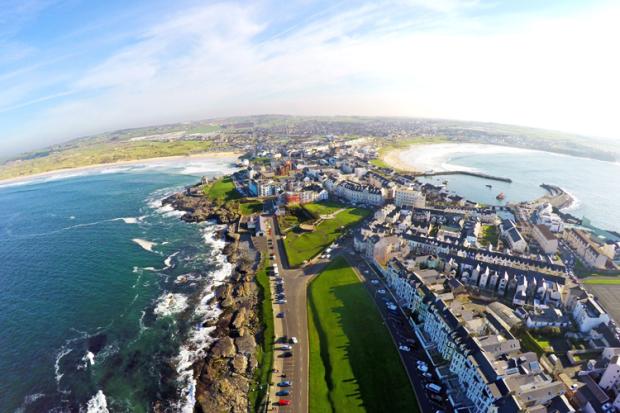
Portrush, a picturesque coastal town in Northern Ireland and a host of The Open Championship, has successfully revitalised its town centre, addressing challenges posed by vacant, derelict, and underused properties, and broader economic decline.50
The regeneration was significantly driven by the Portrush Urban Development Grant (UDG) Scheme, which saw £1.4 million in grant funding from the Department for Communities. This public investment was instrumental in “unlocking property owner investment,” leading to a substantial total investment of over £16 million in properties.50
The UDG scheme funded the refurbishment of historically significant landmarks, including the listed Station building, the former Northern Bank premises, and the rebuilding of the Londonderry Hotel, alongside contributing to a new-build apartment and retail block at Dunluce Avenue.51
These initiatives were part of a wider Portrush Regeneration Programme, a £17 million Executive-endorsed initiative.32 This comprehensive programme included a £6 million public realm scheme that transformed the town centre with high-quality granite materials, new lighting, and street furniture.33
A new £5.6 million train station was also redeveloped, providing modern, fully accessible facilities and a vibrant gateway to the North Coast.33 Additionally, a £500,000 Revitalise scheme provided grants of up to £5,000 to 118 business premises for shopfront improvements.33 Infrastructure improvements also included car park upgrades and variable messaging signs to manage traffic flow during major events.33
The impact has been significant: the projects contributed to job creation and a notable enhancement of the tourism offering, solidifying Portrush’s status as a “top holiday destination”.50 The substantial investment is expected to further promote commercial and residential opportunities within the town centre and encourage town centre living, deemed crucial for sustainable future regeneration.50
The regeneration of Portrush illustrates a crucial principle: major, high-profile events can serve as powerful strategic levers for securing investment and accelerating regeneration projects that might otherwise take much longer. The alignment of regeneration efforts with events like The Open Championship creates a compelling case for funding and political will, providing clear deadlines and visible returns on investment that galvanise diverse stakeholders.
Belfast
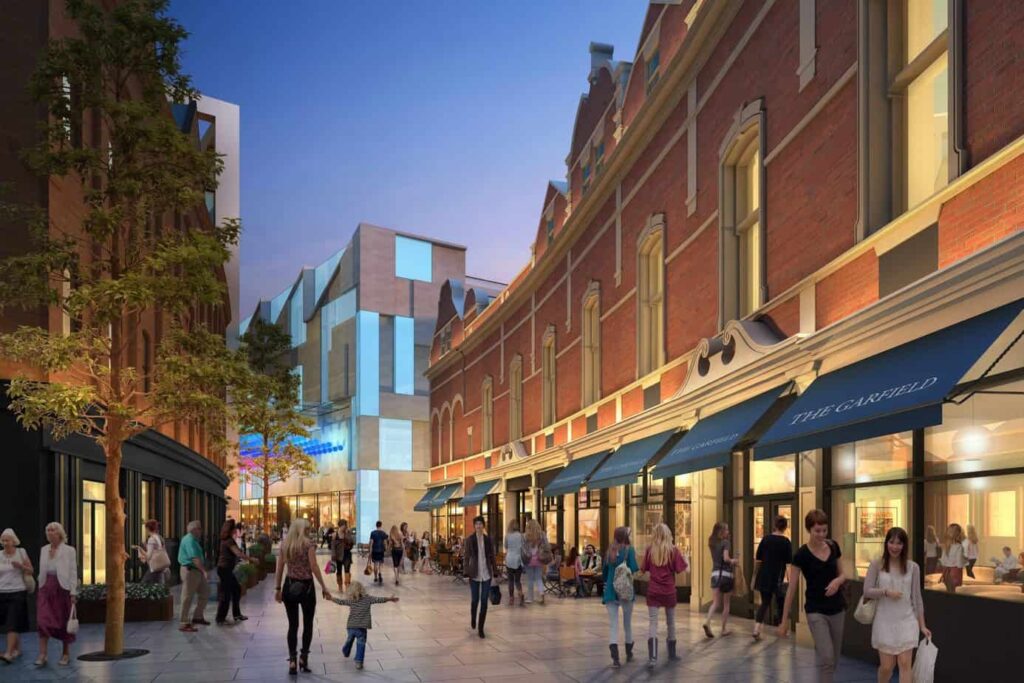
Belfast city centre is a key priority for regeneration, aiming to address challenges within its retail, tourism, and hospitality sectors and to diversify its offerings for future resilience.35
A notable success is the retail revival of Donegall Place, which is projected to reach full occupancy by the end of summer 2025.55 This has been driven by an influx of new brands, including Victoria’s Secret, LEGO, Bershka, and Mowgli restaurant, alongside expansions by Stradivarius and Pull & Bear.55
Overall city centre footfall has increased by 6.5% year-to-date, with Donegall Place seeing a 7% rise and Royal Avenue an impressive 22% year-on-year increase.55
Key initiatives also include the “Under the Bridges” project, a £600,000 investment to enhance connectivity between the city centre and the Sailortown/City Quays area, introducing new public realm and active travel infrastructure.53
This project will be complemented by the planned Sailortown-Queen’s Island Bridge, a cross-harbour cycle and walking swing bridge designed to complete the Harbour Loop and improve connections.53 These efforts align with “A Bolder Vision for Belfast,” an ambitious blueprint developed with the Department for Communities and the Department for Infrastructure to create a more attractive, accessible, safe, and vibrant city through enhanced connectivity and placemaking.53
Significant public realm improvements are underway, including the “Five Cs project,” which has seen £1.3 million in developer contributions invested in high-quality public spaces at Little York Street/Little Patrick Street, and transformations of streetscapes in areas like College Court and College Street.35
The “Vacant to Vibrant” city centre funding scheme has also yielded successes, such as the opening of EDO restaurant’s sister venue ‘Beau’ and ArtsEkta’s new venue, which now hosts a live event space, dance studios, and co-working spaces.53
The council is also exploring the feasibility of bringing underutilised upper floor spaces back into use for accommodation 54, and has approved a new monthly craft, music, and food market, ‘HALT’, in the former Europa bus station.53
Belfast’s regeneration efforts demonstrate a crucial principle: the city centre is a complex ecosystem where retail, hospitality, leisure, transport, and residential uses are deeply interconnected. The full occupancy of Donegall Place is not just a retail success; it is supported by increased footfall, which is in turn influenced by public realm improvements and active travel initiatives.
This illustrates that sustainable high street revival necessitates a holistic, integrated strategy that addresses all key urban sectors simultaneously. Success in one area is often a direct consequence of strategic improvements and investments in other, seemingly disparate, areas, highlighting the critical interdependence of urban planning elements.
Derry~Londonderry
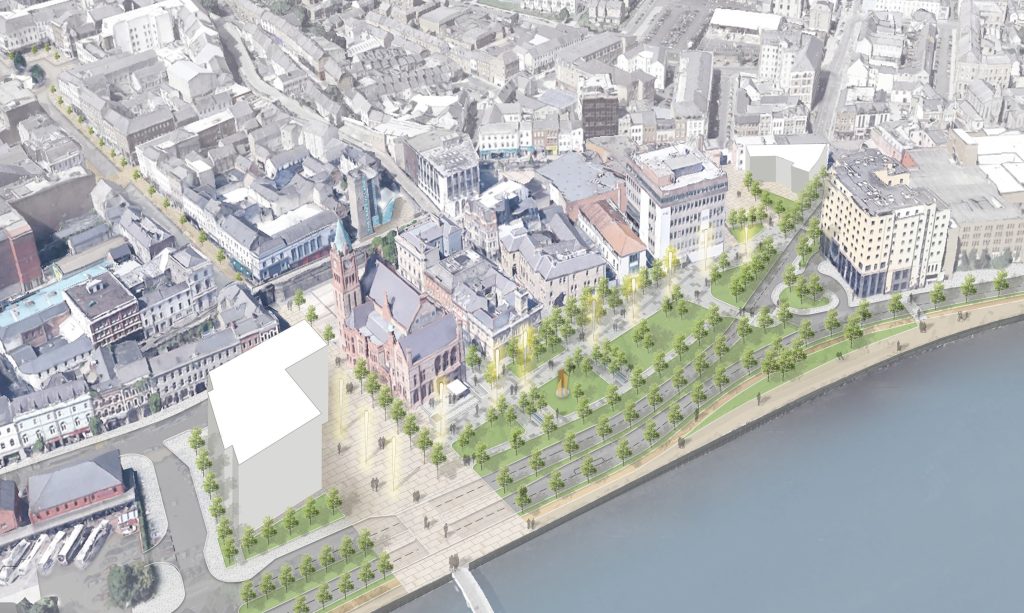
Derry~Londonderry’s regeneration journey is particularly compelling, given its history marked by “The Troubles,” which led to extreme poverty, human loss, and devastation, resulting in the loss of historic buildings and a challenging development context.57
Despite this difficult past, intense energies from the community and voluntary sectors have flourished, leading to numerous physical interventions, creative conservation projects, and infrastructure developments.57
A notable example is the highly innovative Chultύrlann Uí Chainán Irish Language Cultural Centre, which, while distinct, integrates well with the historic streetscape.57 The city’s unique identity and character have been restored and consolidated within its historic core, evident in the rebuilding of structures and walls.57
The City Council has actively collaborated with key partners to implement the “One City, One Plan, One Vote” Regeneration Plan, aiming for a “competitive, connected, creative and caring City” that attracts talent and investment.57
A transformative project was the opening of the pedestrian Peace Bridge in June 2013, spanning the River Foyle. This bridge physically connects the Waterside area to the city centre and, alongside the redevelopment of Ebrington, has created a new shared space that significantly enhances the evening and night-time offerings.57
Public realm improvements, including a wider range of evening activities, upgraded public spaces, and improved street lighting, have also contributed to a safer and more vibrant night-time environment.57
Economically, Derry~Londonderry is diversifying, with traditional manufacturing giving way to financial services, new media, and creative industries.57 The expanding Ulster University Magee campus and other educational institutions are retaining students and supporting cultural and economic growth.57
The city’s cultural richness was recognised by its designation as the first UK City of Culture for 2013.57 The regeneration in Derry~Londonderry highlights a profound principle: in contexts of historical conflict or deep social fragmentation, high street revival and placemaking become crucial mechanisms for social reconciliation.
The intense community involvement and the creation of “shared spaces” like the Peace Bridge are not merely functional but symbolic, actively working to bridge divisions and restore a collective sense of place, demonstrating a profound social impact beyond typical economic metrics.
5. Synthesising Success: Key Takeaways and Observations
The diverse case studies from across the UK reveal common threads that underpin successful high street revival, demonstrating that while challenges are significant, strategic and collaborative approaches can lead to tangible and transformative outcomes.
Common Success Factors
A universal observation is that diversification is non-negotiable. The era of high streets dominated by retail is definitively over. Successful towns and cities have embraced a mixed-use model, integrating leisure, cultural venues, residential units, and public services into their core strategies.1
This shift towards the “experience economy” is not merely an alternative use for vacant units, but a fundamental demand-side driver for high street vitality. People are increasingly seeking out experiences they “cannot find at home”.2
The provision of diverse, engaging experiences directly increases dwell time and footfall, making the high street a desirable destination even in the face of online retail dominance. This implies that successful regeneration is less about what is sold, and more about why people visit and how they feel when they are there.
Community engagement and empowerment consistently emerge as crucial. Authentic involvement of local voices, fostering a sense of ownership, and supporting community-led initiatives are vital for ensuring projects meet genuine local needs and build long-term resilience.1
This is often manifested through the creation of “third spaces” 8 and “shared spaces”.34 The emphasis on seating, lighting, and green spaces 1 suggests that physical improvements are not ends in themselves, but means to foster social interaction, belonging, and collective identity.
The success of a high street is therefore deeply tied to its capacity to build and sustain social capital, making it a place where people genuinely want to spend time and connect.
Investment in quality public realm is a direct correlation with increased footfall and dwell time. Attractive, safe, and accessible environments, achieved through improved lighting, seating, green spaces, and addressing issues like litter and graffiti, make high streets more inviting.1
Leveraging local identity and heritage adds distinctiveness and pride, attracting both residents and visitors. Restoring historic character and repurposing heritage buildings for new uses is a powerful regeneration tool.3
Strong leadership and collaboration are foundational. Effective partnerships between local authorities, Business Improvement Districts (BIDs), the private sector, and community groups are consistently observed in successful transformations.1
Finally, data-driven adaptation is crucial. Continuous monitoring of footfall, vacancy rates, and other relevant metrics provides essential evidence for effective decision-making and allows for ongoing adjustments to strategies.16
Challenges Overcome and Adaptability
The case studies demonstrate a remarkable capacity to overcome significant challenges. Towns like Altrincham successfully shed the “ghost town” label 16, while Derry~Londonderry has navigated profound historical hardship to rebuild its civic identity.57
The inherent adaptability of high streets is evident in their response to fundamental shifts in consumer behaviour and the accelerating impact of online shopping.1 The need for “innovation and experimentation” is paramount, as the high street of the future “will not be the same as those that have come before”.11
Flexibility and a phased approach, particularly for complex heritage projects like Hastings’ Observer Building, are crucial for navigating unforeseen complexities.23
While many case studies show impressive turnarounds, such as Altrincham’s vacancy rate dropping from over 30% to 7.3% 16, overall UK footfall still remains below pre-pandemic levels.58 This indicates that high street revival is not a one-off project but an ongoing process.
The initial “resuscitation” 3 of a high street needs to be followed by sustained efforts and continuous adaptation to prevent future decline. This highlights that regeneration has a lifecycle: initial crisis, intervention, recovery, and then a continuous need for adaptation and reinvestment to maintain vibrancy and resilience.
This implies that funding and policy frameworks need to be long-term and flexible, rather than purely project-based, to support the continuous evolution required for high streets to remain resilient.
The Importance of Measurable Impact
Beyond qualitative improvements, the ability to demonstrate success through quantitative data is vital. Footfall increases, reductions in vacancy rates, and clear figures on investment and job creation provide tangible evidence that validates regeneration efforts and informs future planning and resource allocation.16 This evidence base is critical for securing continued political will and private sector investment.
6. Recommendations for a Resilient Future
Based on the analysis of successful high street regeneration initiatives across the UK, the following recommendations are put forward to foster a more resilient and vibrant future for our towns and cities. The cumulative observations from these case studies suggest a deeper concept than mere “future-proofing”: the need for “place-proofing.”
This means creating places that are inherently resilient not just to economic shifts, but also to social and environmental changes, by embedding strong community ties, celebrating unique identity, and fostering diverse, adaptable uses. This implies a focus on qualitative aspects of place alongside quantitative metrics.
For Central Government
- Streamline Funding Mechanisms: The current bidding process for central government funds can be “expensive and wasteful”.10 A more transparent, accessible, and less burdensome system of funding distribution should be considered to ensure that funds reach areas of greatest need efficiently and effectively, fostering greater confidence among local authorities.
- Policy Coherence: A critical review and adjustment of national policies, such as the VAT disparity on new builds versus existing heritage properties, is essential.21 Aligning tax policies to incentivise heritage-led regeneration and adaptive reuse of existing buildings, rather than new construction, would significantly support sustainable urban renewal efforts.
- Long-Term Vision and Investment: High street revival is an ongoing journey, not a singular project. A sustained, flexible commitment to funding regeneration, extending beyond short-term initiatives, is crucial to support the continuous evolution and adaptation required for high streets to thrive.11
- Enhanced Data Infrastructure: Investment in national, consistent footfall and vacancy data collection, alongside other relevant metrics, would provide a robust evidence base for local authorities to make informed, data-driven decisions and adapt strategies effectively.58
For Local Authorities
- Embrace Diversification Proactively: Develop and implement town centre strategies that explicitly plan for mixed-use developments, integrating residential, leisure, cultural, and public services alongside retail.1 This requires a proactive approach to planning permissions and property use classes.
- Prioritise Placemaking and Public Realm: Allocate significant resources to creating high-quality public spaces. This includes investing in green spaces, comfortable seating, enhanced lighting, and addressing environmental quality issues like litter and graffiti to foster welcoming, safe, and attractive environments that encourage dwell time and social interaction.1
- Foster Authentic Community Empowerment: Actively engage local communities in the regeneration process, from initial visioning to implementation. Support community-led initiatives and explore mechanisms like community asset transfers to empower local groups to take ownership of their high streets.1
- Develop Strategic Transport Solutions: Implement nuanced accessibility plans that balance the benefits of pedestrianisation with the practical necessity of car access and robust public transport links.2 This may involve investing in improved bus networks, park-and-ride facilities, and active travel infrastructure.
- Proactive Property Management: Utilise existing powers, such as those related to compulsory purchase orders, to bring long-empty units back into productive use. Work collaboratively with landlords to encourage investment or intervene where properties remain derelict.1
For Businesses and Property Owners
- Innovate and Adapt Business Models: Recognise the shift in consumer behaviour and adapt offerings to provide experiences, unique products, and services that cannot be easily replicated online.1 This may involve diversifying into leisure, hospitality, or niche retail.
- Actively Collaborate: Engage with local authorities, Business Improvement Districts, and community groups. Contribute to a shared vision for the high street, participate in joint initiatives, and leverage collective resources to improve the local trading environment.1
- Invest in Premises: Utilise available grants and loans for shopfront improvements, internal refurbishments, and the repurposing of properties to meet evolving demands.22
For Communities
- Active Participation: Engage in local consultations, workshops, and community-led projects to directly shape the future of high streets. Your local knowledge and passion are invaluable assets.1
- Support Diverse Offerings: Consciously support local businesses, including independent retailers, cafes, cultural venues, and new services that contribute to the high street’s diversified offer. The “shop local” ethos remains a powerful force for economic resilience.46
7. Conclusion: Towards Vibrant and Thriving UK High Streets
The journey of the UK high street from a period of significant decline to one of vibrant revival is a complex yet profoundly encouraging narrative. The evidence from towns and cities across England, Scotland, Wales, and Northern Ireland unequivocally demonstrates that our high streets are not merely relics of a bygone era, but dynamic entities capable of profound transformation.
The success stories highlighted in this report underscore a critical understanding: the high street of the future is fundamentally different from its past. It is a multi-faceted, experiential destination, where retail plays a role, but is complemented by a rich tapestry of residential living, cultural experiences, leisure activities, and essential public services.
This evolution is driven by a powerful confluence of factors: visionary public policy, substantial strategic investment, innovative planning flexibilities, and, perhaps most crucially, authentic, empowered community engagement.
While challenges persist, including the ongoing pressures of online commerce and the need for sustained funding, the examples of Stockton-on-Tees, Altrincham, Birmingham, Manchester, Hastings, Glasgow, Carmarthen, Portrush, Belfast, and Derry~Londonderry offer compelling blueprints for success.
These towns and cities have shown that by embracing diversification, prioritising quality public spaces, leveraging their unique heritage, and fostering robust partnerships, high streets can indeed be revitalised.
The future of our high streets lies in a sustained commitment to these principles. It requires continuous innovation, a shared understanding of their profound value as economic engines and social anchors, and a collaborative spirit that unites local authorities, businesses, and communities in a common purpose.
By investing in these vital civic spaces, we are not just rebuilding bricks and mortar; we are cultivating the very heart of our towns and cities, ensuring they remain vibrant, thriving, and cherished centres for generations to come.
8. Credits and sources used to create this report:
- The Retail Bulletin : High Street Revival and Community Engagement
- Centre for Cities : What does a future-proof high street look like?
- Vail Williams : Town centre regeneration and re-purposing: what’s the difference?
- Ammanford Recovery Masterplan
- Stockton Waterfront Development
- Government strategy to regenerate high streets
- Business Live : High street under pressure doesn’t mean it’s dying – it’s evolving
- Health Equality North : Report calls for decisive action to reverse the decline of England’s high street ‘ghost towns’
- Government strategy to regenerate high streets
- Parliament : High Streets (Built Environment Committee Report)
- Parliament : The future of the high street
- Placemaking – Definition – RE-DWELL
- See No,12
- Future of High Street – Progress Since the Portas Review (pdf)
- Welsh Gov : £31.5 million boost for Welsh towns and cities
- CIPFA : Trafford – First for Investment:
- Today News : Altrincham vacancy rates drop below 10% for first time in a decade – as footfall continues to rise
- Scottish Gov : Town centre regeneration
- Welsh Gov : £31.5 million boost for Welsh towns and cities
- Grant Finder : Welsh Government Extends Placemaking Grant for Town Centre Projects
- Herald Scotland : Inside the revival of Glasgow’s ‘Golden Z’ shopping streets
- Historic England : High Street Regeneration Case Studies
- South East LEP : Observer Building Phase 1b Hastings (pdf)
- The Architectural Heritage Fund : The Regeneration of the Observer Building, Hastings
- Travel and Tour World : From ghost town to buzzing gem: Know how the regeneration boosting tourism and local life in Altrincham
- Herald Scotland : Inside the revival of Glasgow’s ‘Golden Z’ shopping streets
- Joseph Mews : Urban Regeneration Hotspots UK
- University of Calgary : Urban Regeneration in Greater Manchester
- Joseph Mews : Urban Regeneration Hotspots UK
- Alder Brook School : Urban Issues and Challenges
- Joseph Mews : Urban Regeneration Hotspots UK
- Coleraine Chronicle : Portrush redevelopment grant scheme complete, confirms Minister
- Communities Northern Ireland : Portrush Regeneration Programme
- The Academy of Urbanism : Derry~Londonderry, Northern Ireland
- Belfast City Council : Belfast city centre regeneration steps up a gear
- Sunday Post : An urban park, water sports and festivals: What future of high street might look like
- Stockton-on-Tees Borough Council : Demolition of Castlegate Shopping Centre
- Stockton-on-Tees Borough Council : Stockton Waterfront urban park
- Stockton-on-Tees Borough Council : How will the works affect me?
- Internet Geography : What challenges have been created by changes in Birmingham?
- Alder Brook School : Urban Issues and Challenges (pdf)
- Joseph Mews : Urban Regeneration Hotspots UK:
- Savills : Urban regeneration – breathing new life into historic UK cities
- Birmingham Big City Plan Part 1 (pdf)
- Assembly Research Matters : High street regeneration – What can we learn from other cities?
- Carmarthen Recovery Masterplan (pdf)
- Carmarthenshire County Council Annual Report 2023-24 (pdf)
- Ammanford Town Centre – Carmarthenshire County Council
- See No. 48
- Portrush redevelopment grant scheme complete, confirms Minister
- See No. 50
- Portrush Regeneration Programme
- See No. 54
- Belfast city centre regeneration steps up a gear
- Belfast’s Donegall Place Hits Full Occupancy As Retail Boom Continues – Business Eye
- Belfast city centre regeneration steps up a gear
- The Academy of Urbanism : Derry~Londonderry, Northern Ireland
- High Street Task Force Footfall Report 2023