
Breathing New Life into Our High Streets: The Power of Independent Retail
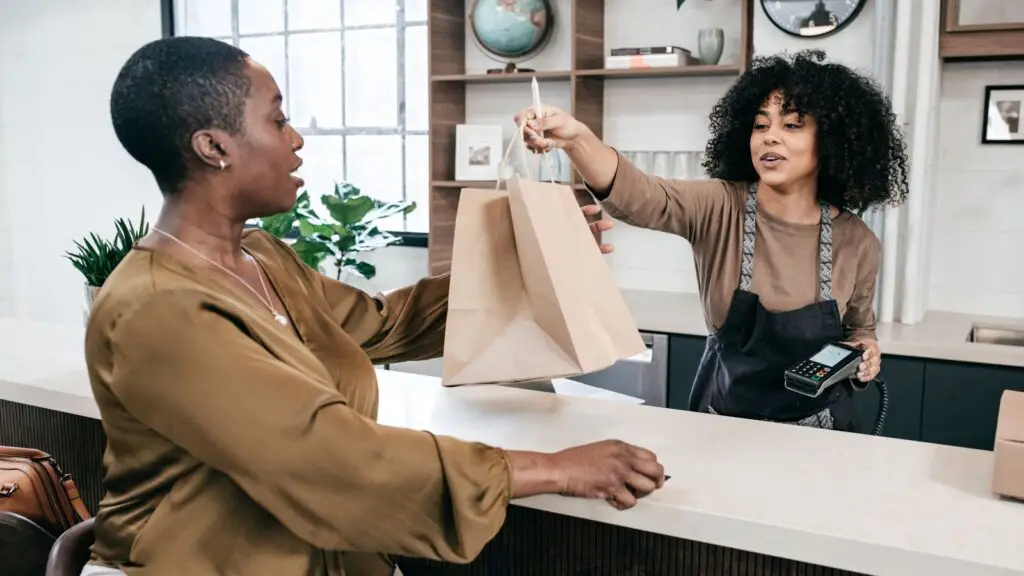
Our high streets have faced a relentless barrage of challenges over recent years. From the relentless march of online retail to the seismic shifts brought about by the pandemic, coupled with rising inflation and escalating operational costs, many have predicted their demise.
Yet, amidst the gloom, a quiet revolution has been unfolding. Independent retailers, those unique, locally-owned shops that aren’t part of the big national chains – are increasingly stepping into the limelight. They’re not just surviving; in many areas, they’re truly thriving.
The Shifting Sands of Retail
Recent figures have painted a stark picture of the retail landscape. The Centre for Retail Research reported that in 2024, nearly 13,500 stores closed across the UK, equating to around 37 shops shutting their doors every single day. Alarmingly, over 80% of these closures were independent businesses. Projections for 2025 suggest an even bleaker outlook, with over 17,000 closures anticipated.
However, it’s not all doom and gloom. PwC’s data offers a more balanced perspective. While approximately 38 stores closed daily in the first half of 2024, around 25 new outlets opened each day, resulting in a net decline of 12 stores per day.
Crucially, much of this growth is being driven by convenience stores, coffee shops, and value retailers, many of which are independently or locally run. Their strength lies in serving immediate community needs, offering everyday services that simply can’t be replicated online.
Why Independents Are Our High Street Heroes
Independent retailers offer so much more than just products on a shelf. They inject character, creativity, and a vital sense of community into our towns. This isn’t just anecdotal; the numbers back it up. Research shows that for every £1 spent in a local independent business, approximately 63p remains in the local economy, compared to just 40p with larger firms. The Federation of Small Businesses highlights that a remarkable 57% of high street business owners believe a diverse mix, including independents, is essential for economic resilience.
These shops also tap into a growing consumer desire for authenticity, sustainability, and personal connection. While a survey by Faire found that 48% of UK consumers perceive independents as more expensive, an interesting counterpoint emerged: 25% of 18-34 year olds actually feel they save money through independent shops. Beyond price, 32% choose them for their lower carbon impact, and 20% cite greater overall sustainability. This demonstrates a shift in consumer values that independents are uniquely positioned to meet.
Real-World Success Stories: Learning from the Best
Let’s look at some towns where independent businesses are truly shining, offering valuable lessons for us all.
- Folkestone, Kent: Once primarily a Post Office-dominated seafront town, Folkestone has undergone a remarkable transformation, deepening its creative roots. With the arrival of HS1, connecting it directly to London, a new wave of artists has moved in, populating the Creative Quarter with vibrant studios and galleries. Occupancy in this area now stands at an impressive 98%. The strategic placement of public art has further enhanced the high street, transforming it into a destination that attracts visitors from far and wide, demonstrating the power of cultural placemaking.
- Gillingham, Kent: With an enviable high street vacancy rate of just 6.2% – significantly below the 16% national average – Gillingham is a testament to proactive community engagement. Their “Love Gillingham” programme has seen the town council, local MP, and business owners collaborate on street clean-ups, funding community events, and renovating empty units. The over 2,500 attendees at the 2024 Big Day Out festival are clear proof that with community buy-in, independents can truly flourish, even alongside larger chain stores.
- Northallerton, North Yorkshire: The longevity and adaptability of Barker’s department store, a family-run business since 1882, offer a compelling example of independent success. Renowned for its homewares and inviting café, Barkers proactively invested in solar panels and LED lighting in 2021 to bolster its sustainability credentials. This flagship store and café serve as a vital local retail anchor, showcasing how an independent business can evolve and remain relevant for generations.
- Margate and Altrincham: While unique citations may vary, Margate in Kent and Altrincham Market in Greater Manchester are frequently cited as prime examples of independent-led regeneration. Both were once struggling areas that have been revitalised by a dynamic mix of independent traders, diverse food stalls, and thriving cultural venues. They have become models for how atmospheric design and social spaces, championed by independents, can drive footfall and create vibrant community hubs.
The Hurdles Still to Clear
Despite these inspiring successes, our independents continue to face significant headwinds. The escalating cost of doing business remains a major concern. April 2025, for instance, saw a triple blow: increasing employer National Insurance contributions, a rise in the National Living Wage to £12.21, and a reduction in business rates relief from 75% to 40%. These changes, projected to add around £2.3 billion to the retail sector’s employer NI bill, have sadly forced some independents to close their doors prematurely.
High street vacancy also remains a pervasive issue in many struggling towns. Bradford, for example, recently lost two historic markets due to redevelopment pressures, though plans are afoot for a new, modern Darley Street Market. Other towns, like Boston in Lincolnshire, grapple with nearly 25% empty units following the loss of long-standing department stores.
Furthermore, consumer spending patterns haven’t fully bounced back to pre-pandemic levels. Footfall remains 15-20% below pre-COVID figures, with factors like unpredictable weather and parking charges often driving shoppers towards out-of-town retail parks. The share of online retail also reached an all-time high of 28% in July 2024, demonstrating the ongoing shift in shopping habits.
The Adaptability Advantage: How Independents Are Responding
What gives us hope for the future is the remarkable adaptability of independent retailers. They are embracing innovative strategies to thrive in this evolving landscape:
- Omni-channel Presence: Nearly three-quarters of consumers are more likely to use shops offering at least one digital service, such as click-and-collect or product availability checks, while 64% desire a blended shopping model. Many independents are now leveraging platforms like Shopify, local inventory checkers, and even AI tools for marketing and stock management to meet this demand.
- Shared Space and Pop-ups: Initiatives like “meanwhile use” are allowing small businesses to trial locations temporarily, sharing costs and generating valuable buzz. This flexibility is crucial for new ventures.
- Community Campaigns: “Shop local” efforts and local gift-card schemes are proving incredibly effective at keeping money circulating within the local economy. Watford’s scheme, for example, saw a 93% year-on-year sales growth in one November, and a 12.5% uplift in annual card sales.
- Sustainability Focus: Independents are increasingly highlighting ethical products and reducing packaging. One in five independent retailers on Faire reported eco-friendly or women-owned products as top sellers, demonstrating how a strong brand position can be built around values.
- Collaboration, Not Competition: Grassroots networks, such as “Totally Locally,” are fostering regional marketing, collaborative events, and shared know-how, creating a powerful collective force for independent businesses.
The Future of the High Street: A Blended Approach
It’s clear that independent shops alone won’t be able to single-handedly rescue every UK high street. However, what they offer is a robust blueprint for a more sustainable, locally rooted retail model. Successful high street transformations consistently rely on a mixed ecosystem: a dynamic blend of independents, diverse leisure and cultural offerings, vibrant community spaces, and strategically placed anchor retailers or chains.
Folkestone’s cultural quarter, Gillingham’s community events, and Northallerton’s eco-savvy department store all underscore a crucial point: independents provide the unique personality and invaluable flexibility that larger chains simply cannot match. What these successful towns share is an unwavering local commitment to Placemaking. Whether through council-supported clean-up drives, town-wide festivals, or enabling the shared use of empty units, genuine partnerships between local councils, landlords, and retailers are absolutely vital.
For this vision to truly flourish, sustained policy support is essential. Thoughtful business rates reforms, flexible rental agreements, and targeted funding could significantly ease the financial burden that currently threatens so many independent businesses daily. Without this crucial backing, the independent sector, which saw over 11,000 store closures in 2024, risks being squeezed out.
The future of our independent high street isn’t about wistful nostalgia; it’s about recalibrating its purpose. It’s about nurturing stores with deep local roots, seamlessly integrating digital extensions, embracing strong sustainable values, and fostering long-term collaborations. It’s about transforming shopping into a social, sensory, and community-centred experience, moving beyond mere transactions. Many UK towns are already embracing this compelling model. The challenge now is to scale that spark of revival beyond the urban fringes.
With ongoing cost pressures, ever-evolving consumer patterns, and the visible wound of empty units, a purely chain-based high street is simply no longer viable. But one reinvented through the ingenuity and spirit of independent retailers – powerfully supported by community, sensible policy, and genuine innovation – offers a blueprint not just for survival, but for a truly exciting and sustainable revival.
What steps do you believe your local community could take to better support its independent businesses?