
Step-by-Step Guide: Community-Led High Street Regeneration: An Opportunity for Small Businesses
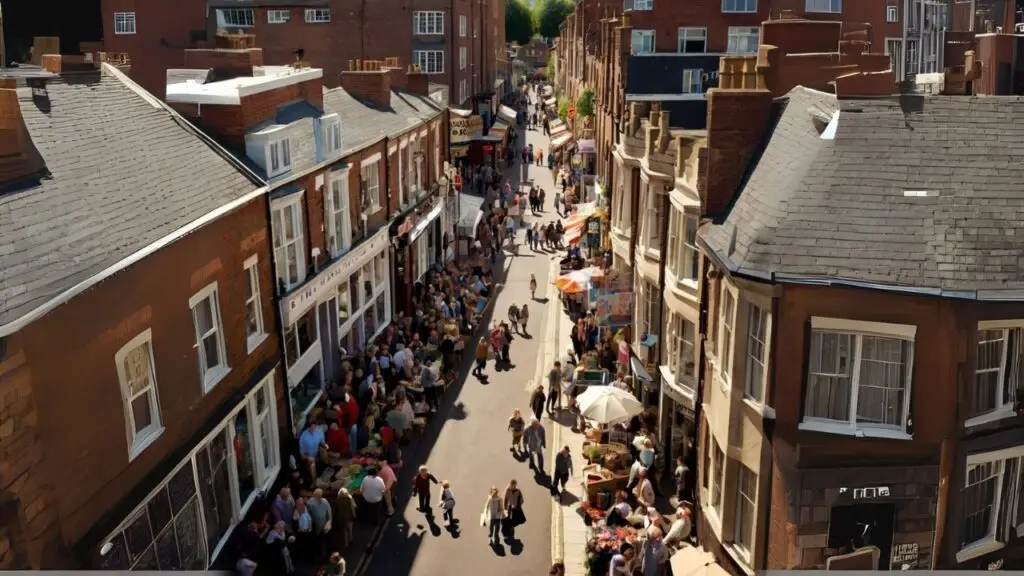
Our high streets are the beating heart of our towns and cities. They’re where we shop, meet friends for coffee, grab a bite to eat, and simply feel connected to our local area. For years now, many of these vital spaces have faced tough times.
Online shopping, out-of-town retail parks, and changing habits have all played their part in making things difficult for the independent shops and businesses that make our high streets unique. You might have seen empty shops, fewer people out and about, and perhaps even felt a bit disheartened about the future of your own business.
But here’s the good news: there’s a powerful movement gaining speed across the UK that offers a real chance to turn things around. It’s called high street regeneration, and it’s not just about big government schemes or huge building projects.
At its core, it’s about communities, including you – the local business owners – coming together to breathe new life into these crucial areas. This guide will walk you through how you can not only benefit from these efforts but also play a vital role in making them happen. It’s about more than just surviving; it’s about thriving together.
What is High Street Regeneration and Why Does It Matter to You?
Let’s start with the basics. High street regeneration simply means improving and revitalising a town or city’s main shopping and social area. This can involve many things, from fixing up old buildings and improving public spaces to attracting new businesses and making the area safer and more welcoming.
For you, as a high street business owner, regeneration isn’t just a nice idea; it’s crucial for your future. A vibrant, busy high street means more footfall past your shop door. It means more people are drawn to the area, spending money, and choosing local over online or out-of-town.
When the high street thrives, your business has a much better chance of thriving too. It creates a positive buzz that benefits everyone.
Engaging with Your Local Regeneration Efforts: Finding Your Voice
One of the first and most important steps is to understand who is leading the high street regeneration efforts in your area and how you can get involved. These initiatives are often driven by your local council, but they might also involve specific groups like Town Teams, Business Improvement Districts (BIDs), or community development organisations. You might hear these referred to as Local Urban Regeneration Agencies (LURAs) or simply as your local authority’s regeneration department.
How to find out who’s doing what:
- Check your local council’s website: Look for sections on “economic development,” “regeneration,” “town centres,” or “local plans.” They often publish strategies and contact details for the teams involved.
- Attend local business meetings: Chambers of Commerce, Business Improvement Districts (BIDs), local business networks, or even informal gatherings are great places to learn about what’s happening and meet the people involved.
- Look for public notices and consultations: When big plans are being made, councils usually hold public meetings or ask for feedback online. This is your chance to have your say.
- Connect with your local councillors: They are your elected representatives and can point you in the right direction or even raise your concerns directly.
Why engage?
Your input is incredibly valuable. As someone on the ground every day, you see the high street’s strengths and weaknesses firsthand. You know what customers are looking for, what challenges exist, and what opportunities might be missed. By engaging, you can:
- Influence decisions: Make sure regeneration plans consider the needs of small businesses like yours.
- Access information: Be aware of upcoming changes, road closures, or new initiatives that could affect your business.
- Discover funding opportunities: Learn about local council grants high street businesses might be eligible for to improve their premises, update their digital presence, or even take on apprentices. These grants can be a fantastic lifeline, but you need to know about them to apply!
- Network: Meet other business owners and community leaders, opening doors for future collaborations.
Don’t be afraid to speak up. Your voice adds a crucial perspective that those planning the regeneration need to hear.
Participating in Community-Owned Initiatives: Stronger Together
High street regeneration isn’t solely about grand schemes from above; it’s also very much about grassroots efforts driven by the people who live and work there. This is where community business support really comes into its own. These are initiatives where local people, groups, and businesses come together to make things happen.
Examples of community-owned initiatives:
- Pop-up shops and markets: Local groups might organise temporary markets or allow independent traders to use empty units on a short-term basis. This brings variety and excitement to the high street and can test new ideas.
- Shared events and festivals: Local businesses might team up with community groups to put on street festivals, Christmas markets, or summer fairs. These events draw huge crowds and encourage people to explore the high street.
- Community gardens or green spaces: Local volunteers might transform neglected areas into attractive green spaces, making the high street more pleasant to visit.
- Local loyalty schemes or gift cards: A collective effort to create a town-wide loyalty card or gift voucher scheme that encourages people to spend their money within the local high street businesses.
- Shop local campaigns: Simple, but effective. Coordinated campaigns to remind residents of the importance of supporting their local businesses.
How you can participate and why it matters:
Getting involved in these initiatives offers numerous benefits beyond just feeling good about contributing.
- Shared costs and resources: Instead of you footing the bill for all your marketing or event participation, you can share costs and efforts with others.
- Increased visibility: Being part of a larger event or initiative means your business gets seen by more people than it might on its own.
- New customers: Visitors attracted by a community event might discover your shop for the first time.
- Positive reputation: Demonstrating your commitment to the community builds goodwill and trust with residents. They appreciate businesses that give back.
- Collaboration opportunities: You might find new partners for joint promotions, cross-referrals, or even sharing ideas and challenges. This is vital community business support.
- Revitalise town centre business: Every small action, when multiplied by many businesses and individuals, contributes significantly to breathing new life into the high street.
Don’t wait to be asked – actively look for ways to contribute. Offer your shop as a meeting point, volunteer your time for an event, or simply show up and support what others are doing. Your presence and enthusiasm are infectious.
Leveraging Hyperlocal Marketing for Collective Growth
As high street businesses, your strength lies in your local connection. This is where hyper-local marketing UK becomes your secret weapon. Simply put, hyper-local marketing is about targeting customers within a very small, defined geographic area – usually within a few miles of your shop. If you have a Business Improvement District (BID), check their delivery objectives and get actively involved with them. When all businesses on a high street adopt a hyper-local approach and even work together, the collective growth can be astonishing.
Strategies for Hyperlocal Marketing:
- Optimise Your Online Presence for Local Search:
- Google Business Profile (GBP): This is essential. Make sure your GBP is fully completed with accurate opening hours, photos, a good description of your business, and regular updates. Encourage customers to leave reviews, and make sure you respond to them all, good or bad. This helps people find you when they search for “bakery near me” or “boutique in [your town name]”.
- Bing Places for Business: Don’t forget Bing! Many people use Bing for search and maps, so set up and verify your listing here too, ensuring all information is consistent with your Google profile.
- Apple Maps Connect: For iPhone users, Apple Maps is key. Claim and update your business listing here.
- Other local directories: List your business on well-known local directories like Our High Streets or other community websites in your area.
- Harness Local Social Media:
- Local Facebook groups: Join and engage with local community groups on Facebook. Share updates about your business, but more importantly, be a helpful member of the community. Answer questions, offer advice, and participate in discussions.
- Instagram and TikTok: Use location tags in your posts. Show off your shop, your products, and the local area. Run contests or promotions specifically for local followers.
- Collaborate on social media: Team up with other high street businesses for joint promotions or “takeovers” of each other’s social media. For example, a café and a bookshop could promote a “coffee and a read” deal together.
- Collaborative Promotions and Events:
- Joint loyalty schemes: Imagine a high street loyalty card where customers get a stamp from any participating business, encouraging them to visit multiple shops.
- Shared advertising: Pool resources with neighbouring businesses for local newspaper ads, leaflet drops, or banners promoting the entire high street.
- High Street Event Days: Organise themed shopping days or evenings with special offers, entertainment, and late openings across multiple businesses to revitalise town centre business. Think “Summer Fete” or “Late Night Christmas Shopping.”
- Local Partnerships:
- Cross-promotion: Display flyers for other local businesses in your shop, and ask them to do the same for you.
- Referrals: Actively recommend other local businesses to your customers when appropriate. If someone asks where to find a good gift, direct them to the gift shop down the road.
- Work with local schools or charities: Offer discounts, run fundraisers, or participate in their events. This builds strong community ties and gets your name out there.
Why collective hyperlocal marketing works:
When individual businesses adopt hyperlocal marketing UK strategies, it’s good. But when an entire high street works together, the effect is magnified. It creates a powerful message: “This high street is alive, vibrant, and has everything you need!” It pulls people in and encourages them to spend more time and money locally, which is the ultimate goal of revitalising town centre business.
The Mutual Benefits: Contributing to Growth
The beauty of community-led high street regeneration is that it’s a two-way street. Your business benefits greatly from a thriving high street, but your contributions are also essential for making that happen.
How businesses contribute:
- Time and Expertise: Volunteering your time for a local committee, sharing your business knowledge, or helping organise an event.
- Resources: Offering your premises for a meeting, donating a prize for a local raffle, or providing goods/services at a reduced rate for a community project.
- Financial support: Even small contributions to local funds or initiatives can collectively make a big difference.
- Enthusiasm and ideas: Being a positive voice, sharing your vision for the high street, and inspiring others.
How this leads to business benefits:
- Increased Footfall and Sales: A more attractive, safer, and livelier high street naturally draws more people, leading to more customers for your shop.
- Enhanced Reputation and Loyalty: Being seen as a business that cares about its community builds immense goodwill. Residents are more likely to support businesses they feel a connection.
- Stronger Local Economy: Your success feeds into the success of other businesses, creating a positive cycle that makes the entire high street more resilient.
- Improved Business Environment: Regeneration can lead to better public transport links, cleaner streets, improved safety, and more attractive shop fronts – all of which make it easier and more pleasant to run your business.
- Access to New Opportunities: Being engaged often means you’re first to hear about new initiatives, grants, or collaborative ventures that could benefit your business directly.
Ultimately, your investment in community-led regeneration isn’t just charity; it’s a smart business strategy. You’re helping to build the very environment that allows your business to flourish.
Overcoming Challenges and Taking the Next Steps
It’s fair to say that getting involved takes time and effort, and sometimes coordinating with different groups can be challenging. You might face apathy from some, or initial ideas might not go as planned. But don’t let these potential hurdles put you off.
Start small: You don’t have to overhaul your entire business or dedicate huge amounts of time overnight. Begin by attending one local meeting, offering a small contribution to a community event, or simply making sure your online business profiles are up-to-date and consistent.
Find your allies: Connect with other business owners who share your enthusiasm. A small group of motivated individuals can achieve remarkable things. Look for existing networks that offer community business support.
Be patient and persistent: Regeneration is a long-term game. It takes time to see big changes, but every small step forward contributes to the overall goal to revitalise the town centre business.
Your call to action:
- Identify: Find out who the key players are in high street regeneration in your town.
- Connect: Reach out to your local council, BIDs, or community groups.
- Engage: Attend meetings, offer your ideas, and learn about local council grants high street.
- Collaborate: Look for opportunities to partner with other businesses and participate in community initiatives.
- Market Locally: Double down on your hyperlocal marketing efforts, and encourage neighbouring businesses to do the same.
The future of our UK high streets rests not just with planners and policymakers, but with the passionate people who run businesses on them every single day. Community-led high street regeneration offers a unique and powerful opportunity for small businesses like yours.
By actively participating, collaborating with your neighbours, and leveraging the power of local connections, you can play a central role in creating a vibrant, thriving high street that benefits everyone. It’s a chance to not just survive the challenges of today, but to truly revitalise town centre business and build a stronger, more prosperous future for your community and your livelihood. Get involved – your high street needs you!