
How Can High Street Shops Compete with Online Retailers?
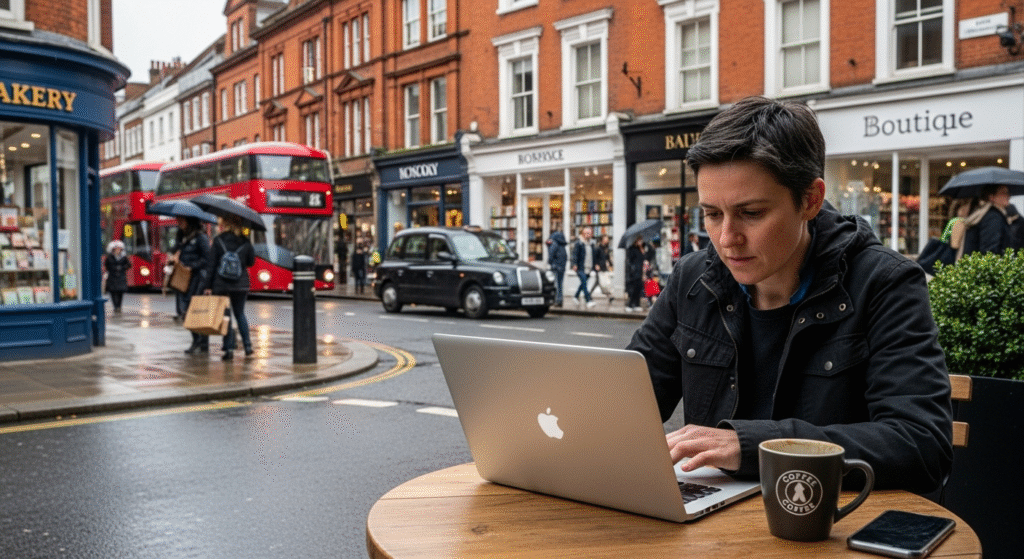
The comforting chime of a shop door, the satisfying rustle of a paper bag, the personal greeting from a shop assistant – these sensory experiences define our high streets. Yet, in an era increasingly dominated by instant online purchases and seamless doorstep deliveries, a critical question persists: can our beloved traditional shops truly hold their own against the colossal reach and convenience of online giants?
The resounding answer is yes, but mere hope won’t suffice; it demands strategic innovation, adaptive approaches, and a renewed focus on the unique value propositions that only physical retail can offer.
It’s an undeniable truth that the UK high street has faced formidable challenges. The COVID-19 pandemic significantly accelerated the shift towards online shopping, with the Office for National Statistics (ONS) reporting that in May 2020, online retail sales surged to an unprecedented 33.3% of all retail spending.
While this figure has since stabilised and reduced somewhat, it remains considerably higher than pre-pandemic levels (which hovered around 20% in February 2020). This isn’t merely a temporary fluctuation; it represents a fundamental and enduring shift in consumer behaviour.
However, the narrative isn’t one of unmitigated decline. Recent data from the British Retail Consortium (BRC) and KPMG consistently show that while overall retail sales growth might be modest, there’s a sustained and significant appetite for in-person shopping, particularly within specific sectors. The crucial task for high street businesses is to accurately discern these evolving trends and adeptly leverage their inherent, unique strengths.
So, how can high street shops not merely survive, but truly thrive, in this intensely competitive landscape?
Beyond the Transaction: The Power of Experience
Online shopping excels at efficiency; high street shopping must excel at experience. This is arguably the most potent competitive advantage a physical store possesses.
1. Create a Destination, Not Just a Shop:
Consider what compels people to visit places like London’s Borough Market or a flagship retail store. It’s the immersive atmosphere, the multi-sensory engagement, and the thrill of discovery. High street shops must evolve into destinations. This could mean:
Interactive Displays: Encourage tactile engagement. At an Apple Store, for instance, customers are invited to play with devices, explore features, and experience the products hands-on. Similarly, a clothing store could offer interactive mirrors or curated style zones.
In-Store Events: Host diverse events that draw people in. Waterstones frequently holds author readings, book launches, and literary discussions, transforming their shops into cultural hubs. Similarly, cooking stores might offer masterclasses, or a DIY store like B&Q could host workshops on basic home repairs. This fosters community and provides a compelling reason to visit.
Personalised Services: Offer bespoke experiences that online platforms struggle to replicate. A fitting consultation at a specialist shoe shop like Runner’s Need, or a comprehensive beauty consultation at a Space NK store, provides value that transcends a simple transaction.
2. Focus on Unrivalled Customer Service Excellence:
While seemingly obvious, truly exceptional customer service is a formidable differentiator in today’s market.
Knowledgeable and Passionate Staff: Invest in comprehensive training for your team, transforming them into product experts. Customers should feel they’re receiving genuine, well-informed advice, not just a sales pitch. Think of the deep product knowledge available at a specialist hi-fi shop or the tailored advice given by staff at Lush on their ethical and handmade products.
Warmth and Personalisation: A sincere greeting, a genuine smile, or remembering a regular customer’s preferences – these seemingly minor gestures build significant loyalty and encourage repeat visits. This human connection is a core strength of independent coffee shops and local bakeries.
Empowered Problem Solvers: Equip your staff to efficiently and empathetically resolve issues like returns, exchanges, or product queries. A positively handled complaint can often build more loyalty than a perfectly smooth transaction, as demonstrated by companies with strong customer service reputations like John Lewis.
The Local Advantage: Community and Convenience
High street shops are intrinsically woven into the fabric of their local communities, a profound strength that online behemoths struggle to emulate.
3. Embrace Localisation and Community Spirit:
Curated Stock: Tailor your product range to the specific demographics, tastes, and needs of your local community. A supermarket like Tesco Express might stock different items in a city centre versus a suburban location. An independent grocer could champion local produce.
Collaborate with Neighbouring Businesses: Forge partnerships for joint promotions, cross-marketing, or shared loyalty programmes. Imagine a “High Street Passport” scheme, where customers collect stamps from local independents. This fosters a collective identity, as seen in town-wide initiatives in places like Fowey, Cornwall, or Hebden Bridge, Yorkshire.
Support Local Causes: Actively engage with local charities, schools, or community projects. This not only builds goodwill but firmly positions your business as a valued, responsible member of the neighbourhood, reinforcing trust and affinity.
4. Seamless “Click & Collect” and Local Delivery Integration:
Instead of resisting the convenience of online shopping, smart high street businesses integrate it seamlessly.
Effortless Click & Collect: Make it simple for customers to order online and pick up in-store. This not only provides convenience but also significantly drives footfall, often leading to additional impulse purchases once customers are inside. Major players like Next and M&S have perfected this, but it’s equally applicable to smaller retailers.
Efficient Local Delivery Services: For larger items or for customers who prioritise convenience, offer a reliable local delivery service. This can often outcompete national couriers on speed and flexibility for local customers, and can even be implemented using eco-friendly options like electric vans or cargo bikes in urban areas.
Embracing Technology, Not Fearing It
The digital realm is not exclusively for online-only retailers. High street shops can strategically leverage technology to amplify their unique advantages.
5. Cultivate a Robust Online Presence:
Optimised, User-Friendly Website: Even if your primary sales channel is in-store, your website acts as your digital shop window. Ensure it’s mobile-responsive, loads quickly, and is optimised with relevant keywords to attract local search traffic. A well-designed site for a clothing boutique, for example, allows customers to browse collections before visiting.
Master Local SEO: Claim and meticulously manage your Google My Business profile and use websites like Our High Streets. Ensure all vital business information (address, opening hours, phone number, services) is accurate and consistently updated across all online directories. Actively encourage customers to leave positive reviews, as these significantly influence local search rankings.
Engaging Social Media Strategy: Utilise platforms like Instagram, Facebook, and TikTok to showcase new products, share behind-the-scenes content, highlight staff personalities, and announce in-store events. Engage actively with your followers, answering questions and building a loyal online community.
6. Implement Strategic In-Store Technology:
Digital Signage and Interactive Kiosks: Use screens to display promotions, share product information, or provide interactive guides, enhancing the customer journey.
Customer Relationship Management (CRM) Systems: Implement CRM software to track customer preferences, purchase history, and enable personalised marketing messages or loyalty rewards. This level of personalisation is a powerful tool against generic online experiences.
Diverse Payment Options: Ensure you offer a full suite of payment methods, including all major credit/debit cards, contactless payments, and mobile payment solutions (Apple Pay, Google Pay) for maximum speed and convenience.
Future-Proofing the High Street
The sustainable future of the high street isn’t about eradicating online shopping; it’s about intelligent integration and bold differentiation. High street shops must consistently offer what online cannot: genuine human connection, a rich sensory experience, immediate gratification, and a tangible, deeply rooted link to the local community.
Organisations like the British Retail Consortium (BRC) continue to advocate for critical governmental support, including a fairer business rates system and strategic investment in town centres, acknowledging the indispensable role these businesses play in local economies and employment. However, alongside this external support, the onus is also firmly on individual businesses to proactively adapt and innovate.
By relentlessly focusing on exceptional service, crafting unique in-store experiences, embracing their powerful local advantage, and strategically leveraging technology, high street shops across the UK can not only compete effectively but truly flourish. The comforting chime of that shop door and the warm, personal “hello” still hold immense power. It’s time for high street businesses to not just hear that chime, but to make it resonate louder than ever before.