
Step by step guide: Keeping Your Eatery Thriving: The Power of Financial Forecasting and Cash Flow Management
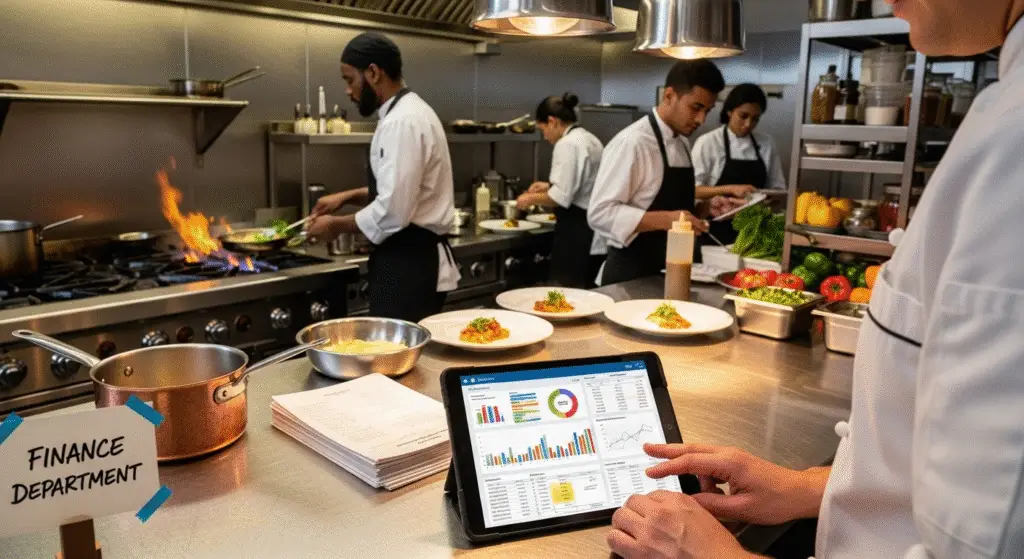
Running a restaurant, cafe, or pub on the UK high street is a balancing act. You’re passionate about food, drink, and creating a great atmosphere, but underneath it all, you’re running a business. And like any business, money matters. Knowing where your money is going and where it’s likely to come from in the future is absolutely crucial. This is where financial forecasting and cash flow management become your best friends.
Don’t let these phrases scare you. They’re just fancy ways of saying:
- Financial Forecasting: Predicting how much money you expect to make and spend in the future.
- Cash Flow Management: Keeping a close eye on the actual money flowing in and out of your bank account right now.
Together, these two practices give you a clear picture of your eatery’s financial health, helping you make smart decisions, avoid nasty surprises, and ultimately, stay open and successful.
Why This Matters More Than Ever for High Street Eateries
The hospitality world is a tricky one. We’ve seen soaring food costs, energy bills going through the roof, and the constant challenge of finding and keeping good staff. Plus, the British weather, local events, and even just the time of year can mean your sales jump up and down. For small, independent places, every penny counts. Relying on guesswork just won’t cut it anymore.
By getting a handle on forecasting and cash flow, you’re not just doing ‘boring finance’; you’re actively:
- Preventing Stress: Knowing what’s coming helps you sleep better at night.
- Making Smarter Purchases: Don’t order too much of a slow-moving ingredient, or too little of a popular one.
- Staffing Wisely: Avoid over-staffing on quiet days or being caught short on busy ones.
- Planning for the Future: Think about that new coffee machine, a kitchen upgrade, or even opening another branch. You’ll know if and when you can afford it.
- Spotting Problems Early: If money looks tight next month, you have time to act.
Part 1: Financial Forecasting – Peeking into the Future
Imagine you have a crystal ball for your finances. That’s essentially what financial forecasting helps you build. It’s about making educated guesses about your future sales and expenses.
How to Do It (Simply):
- Look at Your Past: This is your starting point. Dig into your sales records.
- What were your busiest days/weeks/months last year?
- Which dishes sold best? Which drinks?
- When did you have quiet periods?
- What were your average costs for food, drink, and staff during different times?
- Most modern till systems (Point of Sale, or POS) can give you brilliant reports on this.
- Think About What’s Changing: Now, consider anything that might affect those past patterns.
- Are there new competitors nearby?
- Are any big events happening in your town soon (festivals, sports, concerts)?
- Are your suppliers putting their prices up?
- Are you planning any special promotions or new menu items?
- Have you changed your opening hours or added outdoor seating?
- Forecast Your Sales: Based on the above, guess how much money you expect to bring in.
- Start with total sales for the next month or quarter.
- Then, break it down: how much from food, how much from drinks?
- Even break it down by day or week if you can.
- Forecast Your Costs: Now, estimate all the money you expect to spend.
- “Cost of Goods Sold” (COGS): This is the direct cost of the food and drink you sell. If you expect to sell more pizzas, your flour and cheese costs will go up.
- Labour Costs: How many staff hours will you need? Include wages, national insurance, and pension contributions.
- Fixed Costs: These usually stay the same no matter how busy you are: rent, insurance, business rates, internet, accounting fees.
- Variable Costs: These change with how busy you are: utilities (more ovens on = more electricity), cleaning supplies, marketing spend.
- Calculate Your Predicted Profit: Subtract your total predicted costs from your total predicted sales. This gives you an idea of your future profit.
Tools for Forecasting:
- Spreadsheets (Microsoft Excel, Google Sheets): These are free (Google Sheets) or come with most computers. You can create simple tables to input your past data and project future numbers. There are many free templates online for sales and profit forecasting. They require a bit of manual input but give you full control.
- Your POS System’s Reports: Many modern till systems (like Square POS, Lightspeed, or Toast – though Toast is less common in the UK) have robust reporting features. They can show you sales by hour, day, item, and even give you insights into staff performance. This data is gold for your forecasting.
- Accounting Software (see below): The financial reports from your accounting software (like Xero or QuickBooks) are essential for pulling historical cost data.
Part 2: Cash Flow Management – The Real-Time View
While forecasting is about what might happen, cash flow management is about what is happening right now in your bank account. It’s the actual movement of money in and out. You could be making a profit on paper, but if customers are paying slowly or you have a huge supplier bill due before money comes in, you could still run into trouble.
Why It’s Vital:
- Avoid Running Out of Money: This is the big one. You need enough cash to pay staff wages, buy ingredients, and cover rent on time.
- Spot Problems Fast: A sudden drop in cash can flag up an issue, like a supplier bill you forgot or lower-than-expected sales.
- Take Advantage of Opportunities: If you see you have a healthy cash balance, you might be able to grab a good deal on stock or invest in a new piece of equipment.
How to Manage It (Simply):
- Track Every Penny: This sounds obvious, but you need to know exactly where every bit of money is coming from and where it’s going.
- Incomings: Daily sales (cash, card payments), deposits for large bookings, money from catering events.
- Outgoings: Food and drink supplier payments, staff wages, rent, utilities, loan repayments, marketing costs, repairs.
- Create a Cash Flow Statement: This is just a list of all your expected money coming in and going out over a set period (e.g., weekly or monthly).
- Example:
- Week 1:
- Money In: £5,000 (sales)
- Money Out: £1,500 (food order), £2,000 (wages)
- Net Cash Flow: +£1,500
- Week 1:
- Example:
- Manage Your Incomings:
- Speed Up Payments: For larger bookings or catering, consider taking a deposit upfront.
- Offer Flexible Payment Options: Make it easy for customers to pay you.
- Manage Your Outgoings:
- Negotiate Payment Terms: Can you get 30 days to pay suppliers instead of 7? This gives you more time for your sales money to come in.
- Time Payments Carefully: If possible, try to pay your biggest bills just after your busiest sales periods.
- Review Expenses Regularly: Are there any subscriptions you don’t use? Can you switch energy suppliers? Even small cuts add up.
- Build a Cash Buffer: Try to have at least a few weeks’ worth of essential expenses saved up in a separate bank account. This is your emergency fund for quiet periods or unexpected costs.
Connecting Forecasting and Cash Flow
These two ideas are like two sides of the same coin. Your forecast tells you the route you plan to take, and your cash flow statement tells you where you actually are on that route. If your cash flow isn’t matching your forecast, it’s a sign to adjust your plans. Maybe sales are lower than expected, or a cost has gone up. The quicker you know, the quicker you can react.
Useful Software and Applications for Your Eatery’s Finances
You don’t need a finance degree to use these tools, and many are designed with small businesses in mind:
- Accounting Software (Essential for all businesses):
- Xero: Very popular in the UK, cloud-based (meaning you access it online from anywhere), and known for being user-friendly. It connects directly to your bank account, automates a lot of data entry, and provides clear reports on profit & loss and cash flow. It also integrates with many POS systems.
- QuickBooks Online: Another widely used cloud accounting platform, similar to Xero in its features and ease of use. It also connects to your bank and can pull in POS data.
- FreeAgent: Often a good choice for smaller businesses, and some UK banks (like NatWest/RBS) offer it for free with business accounts. It’s designed to be simple and helps with tax filing.
- Your Point of Sale (POS) System:
- Most modern POS systems like Square, Lightspeed, Epos Now, or even those integrated with booking systems like ResDiary, have powerful reporting features. They can give you daily sales figures, breakdown by product, and even identify peak times. This data is the backbone of your sales forecasting.
- Spreadsheets (Microsoft Excel / Google Sheets):
- Don’t underestimate the power of a simple spreadsheet. For initial forecasting and tracking daily/weekly cash, they are free and flexible. You can find many free templates online for sales forecasts, cost breakdowns, and cash flow statements.
- Dedicated Cash Flow Apps (More advanced, often integrate with accounting software):
- Float: This app focuses specifically on cash flow forecasting. It connects to Xero or QuickBooks and helps you visualise your future cash position based on your invoices, bills, and sales. It’s great for seeing potential shortfalls months in advance.
- Futrli: Another forecasting tool that integrates with Xero and QuickBooks. It offers detailed scenario planning, allowing you to see how different decisions (e.g., a price increase, a new marketing campaign) might impact your cash.
Common Pitfalls to Sidestep
- Ignoring It: The biggest mistake is not bothering with forecasting or cash flow management at all.
- Overly Optimistic Forecasts: Be realistic, even a little cautious, especially when starting out. It’s better to be pleasantly surprised than financially stressed.
- Not Updating Your Forecasts: Your forecast isn’t a fixed document. Review it weekly or monthly and adjust it as real numbers come in.
- Confusing Profit with Cash: You can be profitable on paper but still run out of cash if your customers pay slowly or you have big bills due.
- Ignoring Small Expenses: Those daily small purchases add up. Track everything.
Mastering financial forecasting and cash flow management might not sound as exciting as perfecting a new dish or designing a brilliant cocktail, but it’s absolutely essential for the long-term health of your eatery. By understanding your money, you’re building a stronger, more resilient business that can truly thrive on the UK high street.