
Step by step guide: Building a Safer Space: Health & Safety for Your High Street Eatery
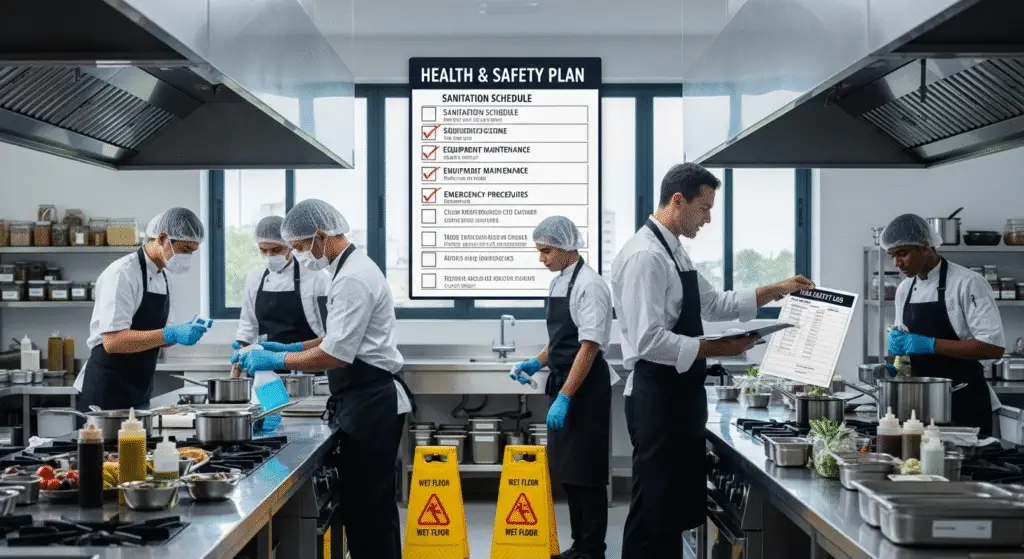
Running a pub, cafe, or restaurant on the UK high street is a demanding job. You’re juggling suppliers, managing staff, pleasing customers, and constantly striving to create that perfect atmosphere. Amidst all this, it’s easy for things like “health and safety” to feel like just another piece of paperwork. But looking after health and safety isn’t just about ticking boxes; it’s about making sure everyone – your staff, your customers, and even yourself – stays safe and well.
More than that, a strong commitment to health and safety protects your business. It prevents accidents, reduces sick days, boosts staff morale, and guards against costly legal action or damage to your good name. In short, a safe workplace is a successful workplace.
The UK Rules: Keeping It Simple
In the UK, the main law for health and safety is the Health and Safety at Work etc. Act 1974. This law basically says that as an employer, you have a duty to protect the health, safety, and welfare of your employees and anyone else who might be affected by your business (like your customers). You have to do everything that is “reasonably practicable” to achieve this – meaning you need to take all sensible and realistic steps to control risks.
Local councils often enforce health and safety in hospitality, especially when it comes to food safety, alongside the Health and Safety Executive (HSE).
Common Health & Safety Areas in Your Eatery
A busy kitchen and service area can have many hidden dangers. Here are some of the main areas you need to think about:
- Slips, Trips, and Falls: Wet floors from spills, cluttered walkways, uneven mats, and worn-out flooring are the biggest culprits here.
- Fire Safety: With hot ovens, fryers, gas, and electrical equipment, fire is a real risk. You need clear escape routes, working alarms, and extinguishers.
- Manual Handling: Lifting heavy boxes of stock, kegs, or even large pots can cause back injuries if done incorrectly.
- Kitchen Hazards: Knives, hot surfaces, deep fat fryers, and slicing machines all pose risks if not used and maintained properly.
- Chemicals (COSHH): Cleaning products, dishwashing detergents, and even pest control substances can be harmful if not stored, handled, or used correctly.
- First Aid: Accidents happen. You need appropriate first aid provisions and trained staff ready to help.
- Workplace Stress and Wellbeing: Long hours, demanding customers, and a fast-paced environment can take a toll on staff mental health. It’s part of safety to support your team’s wellbeing.
- Security: Staff can sometimes face aggressive customers or be at risk of robbery, especially when closing up. You need plans to minimise these risks.
- Food Safety: While often covered separately, ensuring food is stored, prepared, and served safely is a huge part of overall health and safety, preventing food poisoning and allergic reactions.
Your Step-by-Step Guide to a Safer Workplace
Don’t be overwhelmed. You can break down health and safety into manageable steps:
Step 1: Appoint a “Competent Person”
You need someone responsible for health and safety. This could be:
- Yourself, the Owner: If you have the time, knowledge, and ability.
- A Manager or Employee: Someone in your team who is knowledgeable and has time dedicated to it.
- An External Consultant: If you feel out of your depth or want expert help, you can hire a health and safety consultant.
Step 2: Write Your Health & Safety Policy
If you have five or more employees, you must have a written Health & Safety Policy. Even if you have fewer, it’s a very good idea. This document shows your commitment to safety and explains how you will manage it. It usually covers three parts:
- Statement of Intent: Your general commitment to health and safety.
- Responsibilities: Who is responsible for what (e.g., “The Head Chef is responsible for kitchen safety checks”).
- Arrangements: How you will actually manage risks (e.g., “We will conduct monthly fire alarm tests”).
Step 3: Conduct Risk Assessments
This is the core of health and safety. A risk assessment is simply a careful look at your workplace to identify what could cause harm, who might be harmed, and what you’re already doing (or need to do) to prevent it.
- Identify Hazards: Walk around your premises. What could cause injury or illness? (e.g., a wet floor, a sharp knife, a heavy box, a hot oven).
- Who Might Be Harmed and How? Think about employees, customers, delivery drivers, cleaners.
- Evaluate the Risk: How likely is it that someone will be harmed, and how serious could that harm be?
- Record Your Findings: Write down what you found and what steps you’re taking to control the risks. If you have 5+ employees, you must record your significant findings.
- Review: Risks change. Review your assessments regularly (e.g., once a year), or whenever something significant changes (new equipment, new staff, new procedures).
Step 4: Provide Information, Instruction, and Training
Your staff are your first line of defence. They need to know how to work safely.
- Induction Training: When new staff start, show them the emergency exits, first aid points, and key safety rules.
- Specific Training: Train staff on how to use specific equipment (e.g., meat slicer), handle chemicals (COSHH), lift safely (manual handling), and deal with spills.
- Food Hygiene Training: Absolutely essential for anyone handling food.
- Fire Safety Training: Everyone needs to know what to do in a fire.
Step 5: Provide the Right Equipment (and PPE)
- Safe Equipment: Ensure all your kitchen equipment, fridges, and tills are in good working order and regularly maintained.
- Personal Protective Equipment (PPE): Provide staff with what they need, such as non-slip shoes for kitchen staff, heat-resistant gloves, or cut-resistant gloves for chopping. And make sure they actually use it!
Step 6: Maintain Equipment and Your Premises
- Regular Checks: Schedule routine checks for gas appliances, electrical equipment (PAT testing), ventilation systems, and fire alarms.
- Fix Problems Promptly: Don’t put off repairing that wobbly chair, leaky tap, or broken floor tile.
- Good Housekeeping: Keep your premises clean and tidy. Clutter is a trip hazard.
Step 7: Have Emergency Procedures
Everyone must know what to do in an emergency.
- Fire Evacuation Plan: Clear escape routes, assembly points, and regular fire drills.
- First Aid Procedures: Where is the first aid kit? Who are the first aiders?
- Accident Reporting: All accidents, even near misses, should be recorded. Serious incidents must be reported to the HSE under RIDDOR (Reporting of Injuries, Diseases and Dangerous Occurrences Regulations).
Step 8: Record Keeping and Review
Keep good records of everything: risk assessments, training logs, equipment maintenance, and accident reports. This shows you’re taking your duties seriously and helps you learn and improve.
Useful Resources and Tools
You don’t have to start from scratch. There’s plenty of help available:
- The HSE Website (Health and Safety Executive): This is the official UK body and an invaluable free resource (hse.gov.uk). They have specific guidance for catering and hospitality, free risk assessment templates, and advice on writing policies.
- Industry Bodies: Organisations like UKHospitality often provide sector-specific guidance and templates for their members.
- Local Councils: Your local council’s environmental health department can offer advice and have templates for food safety (like the Food Standards Agency’s “Safer Food, Better Business” pack, which is a fantastic free resource for food hygiene).
- Online Training Providers: For things like food hygiene or basic health and safety, online courses are flexible and affordable.
- Virtual College or High Speed Training are popular choices for accredited Level 2 Food Safety & Hygiene courses, as well as other H&S modules.
- Risk Assessment Templates:
- You can find free, basic templates on the HSE website.
- Many health and safety consultants (like Peninsula or Citation) offer free downloadable templates for common hospitality risks on their websites to get you started.
- Health & Safety Management Software/Consultancy: For more comprehensive support, or if you feel overwhelmed, consider:
- Citation / Peninsula / Croner / Avensure: These companies offer subscription services that include access to online portals with policy templates, risk assessment builders, e-learning, and often a 24/7 advice line. They can help you stay compliant and even conduct audits. They’re a bigger investment but can save a lot of time and worry.
- Safesite App: This is a more general H&S app that lets you conduct inspections, manage risks, and report incidents from your phone. While not hospitality-specific, it’s a good example of how digital tools can streamline H&S.
Common Pitfalls to Avoid
- Ignoring It Until Too Late: Don’t wait for an accident or a visit from Environmental Health.
- “Tick-Box” Mentality: Don’t just fill in forms to look compliant. The real goal is to genuinely make your workplace safer.
- Not Involving Staff: Your staff are on the front lines; they often know where the real risks are. Involve them in risk assessments and listen to their concerns.
- Setting It and Forgetting It: Health and safety is an ongoing process. Review and update your procedures regularly.
- Over-Complicating Things: Start with the basics. Don’t try to implement every single safety measure at once. Focus on the significant risks first.
By actively focusing on health and safety, you’re not just meeting your legal duties; you’re building a stronger, more reliable business. A safe workplace leads to happier staff, happier customers, and ultimately, a more successful future for your high street eatery.